
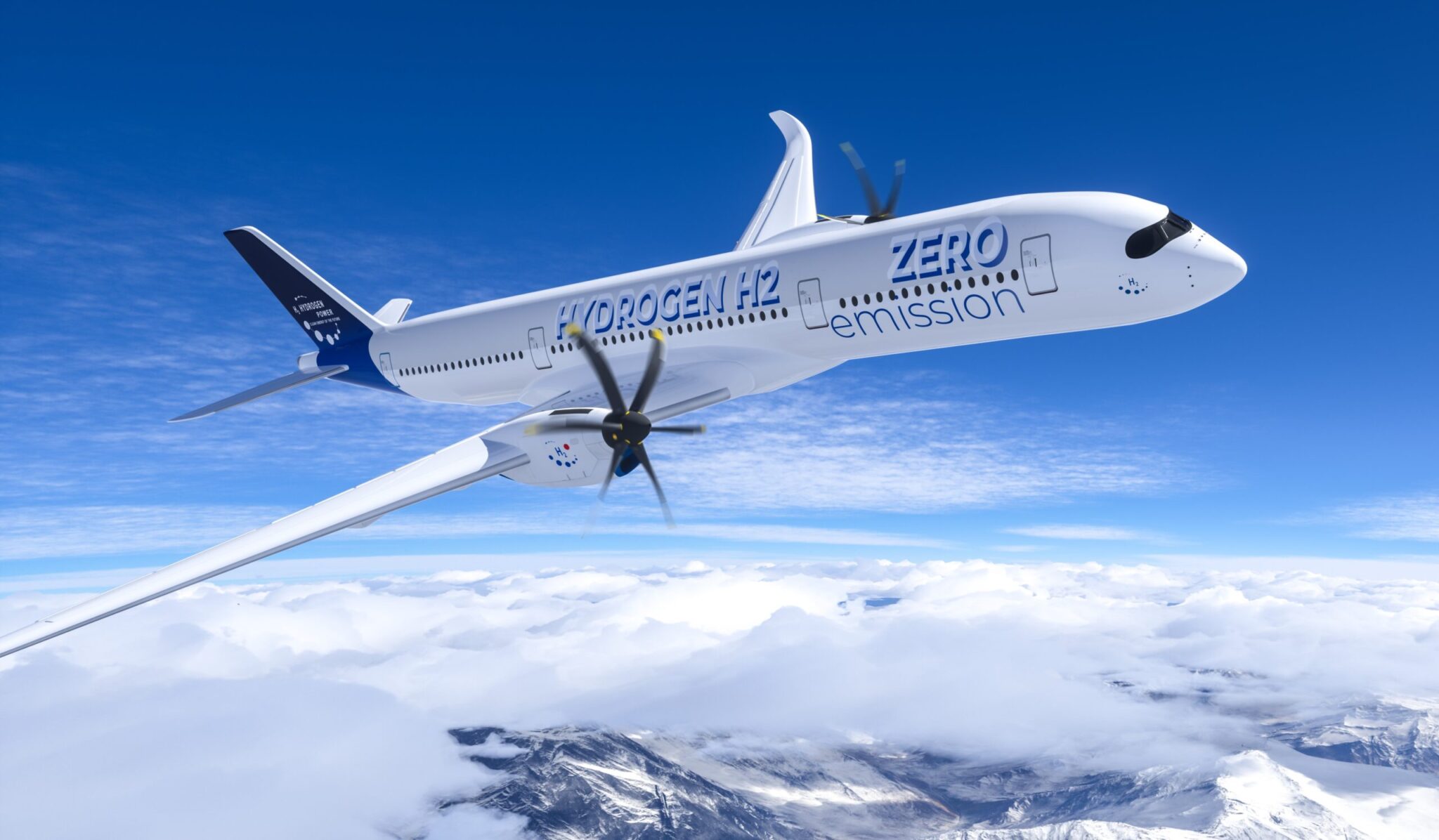
Atkins aerospace predicts 44,000 TWh of energy needed annually by 2070
A new report by sustainable aerospace experts at Atkins predicts that achieving 2050 net zero targets will require major sustainable energy and fuel production infrastructure changes if commercial air transport grows as currently predicted.
Atkins acknowledges that the most effective solution to decarbonising the aviation sector will be using a mix of alternative fuel options including sustainable aviation fuel (SAF), eFuel, Hydrogen and batteries.
Based on estimated energy efficiencies and this forecasted fuel mix, Atkins predicts that 44,000 TWh of energy per year will be required by 2070 to generate the necessary global aircraft fuel demand. This represents a 5700% increase from current aviation energy generation requirements and is almost double the world’s current electricity demand.
Andrew Caughey, sustainable aerospace aviation lead at Atkins said: “The production, storage and transportation of fuels has implications for energy and airport infrastructure and their emissions need to be considered across the whole lifecycle.
“By understanding the full fuel mix and energy demands for sustainable aviation, governments can inform policy makers and actions – whether that be introducing emissions KPIs, green fuel subsidies, demand management or investing in innovation and development.”
Atkins used analysis and modelling based on the sector’s current growth trajectory, future energy demands and energy generation efficiencies, which included creating scenarios to explore the potential contribution of each alternative fuel, based on the energy demands of different aircraft classes.

Atkins modelled scenarios from a low of 35,700TWh per year fuelled primarily by SAF and hydrogen, to a high of 54,400TWh per year, where synthetic eFuel is more dominant in narrow- and wide-body aircraft.
To use 100% eFuel would require energy generation of 63,000TWh per year, and while using battery power would require only 20,000TWh of energy generation per year, the limitations of battery technology would make this impossible over the time horizon considered.
Volumes required will be largely influenced by the alternative fuel route being followed and the availability of said fuels, which remains uncertain. Producing the quantities required will be a substantial challenge.
The combination of low carbon fuels used will change over time as technology develops. For instance, battery technology could see a breakthrough in power density, making it more viable for larger aircraft classes earlier.
Moreover, the capacity to generate eFuel at higher volumes could reduce the need for SAF sourced from waste products. Breakthroughs in aircraft technology supporting hydrogen powered flight could lead to an accelerated roll-out of hydrogen into widebody aircraft

