
Iris Automation Awarded Third BVLOS Drone Waiver For Reno City
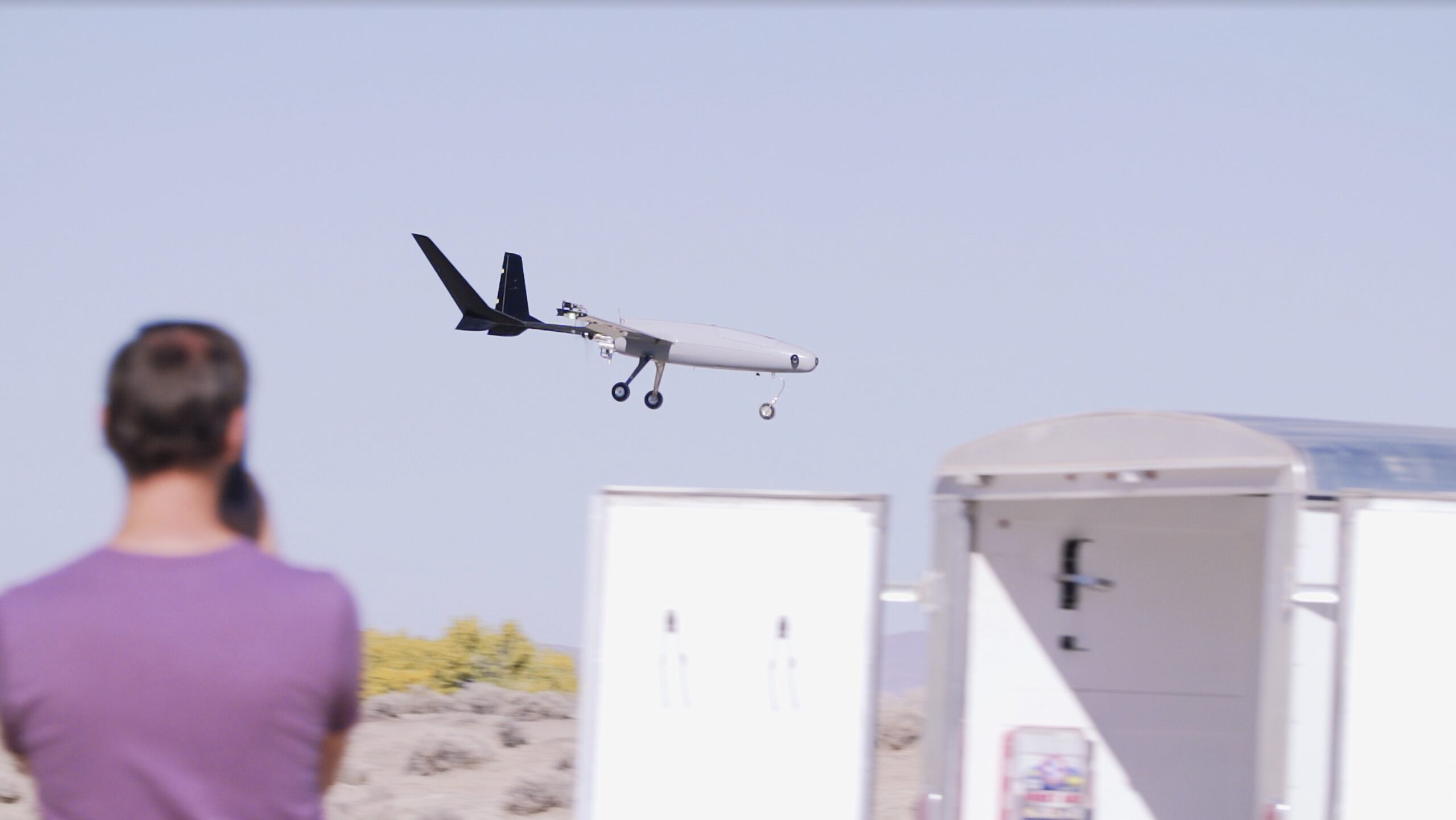
Iris Automation has been awarded its third waiver for Beyond Visual Line of Sight (BVLOS) autonomous drone operations on behalf of the City of Reno Fire Department, reports a press release. The department is a participant in the FAA’s BEYOND Program.
The City of Reno and Iris Automation have collaborated since 2019, first in the FAA’s Integration Pilot Program (IPP) and now in the BEYOND program, to test the use of autonomous drones during river rescue missions. This latest waiver offers a wider range of operations using both onboard and ground-based detect and avoid (DAA) solutions around the Carson River area.
Jon Damush, CEO of Iris Automation, commented, “Collaborating with the City of Reno and the FAA under the BEYOND program is key to advancing the integration of UAS into the National Airspace safely. This latest waiver is another step toward maintaining safety while enabling economical access to airspace with minimal technical integration required.”
He continued, “An advantage of the Casia G approach is that as the network of ground units expands, additional users can benefit from the deployed systems simply by subscribing to the data stream produced. This has the potential to enable law enforcement, EMS, and industry to expand drone use for public benefit and infrastructure inspections.”

The release explains, “The third waiver operates over a limited area based on a ‘network’ of two separate Casia G nodes. Each additional node can be used to cover more area for drone operations. This could potentially enable a ‘grid’ of Casia G systems to provide airspace awareness of non-cooperative aircraft (aircraft which is not broadcasting ADSB-Out messages) over large areas. This allows drone pilots more time to assess other aircraft flight trajectories and execute minimally disruptive avoidance maneuvers.”
And goes on, “Casia G uses Iris Automation’s patented detect and alert technology to create a stationary perimeter of sanitised, monitored airspace, enabling Uncrewed Aerial Vehicles (UAVs) to perform work safely.”
And adds, “It provides situational awareness of piloted aircraft to the Remote Pilot in Command (RPIC) to enable maneuvering of UAVs to safe zones. This allows the operator to fly greater distances without the need for visual observers or the RPIC to maintain visual contact with the drone.”
Dave Cochran, City of Reno Fire Chief, said, “During a river rescue operation, water exposure is dangerous for victims and first responders. We believe that the use of drones during such operations could reduce response times and save lives.”

Dave Cochran
Casia G does not require installation onto the aircraft, preserving payload for sensors or packages and a greater choice of aircraft. Its ground-based placement will give organisations greater flexibility to establish permanent, sanitised air space or to change locations quickly by simply relocating Casia G nodes. By providing a sanitised ‘bubble’ of airspace, this deployment pattern may allow an operator to fly multiple drones or multiple operators to use the same infrastructure to gain airspace awareness.
For more information

