
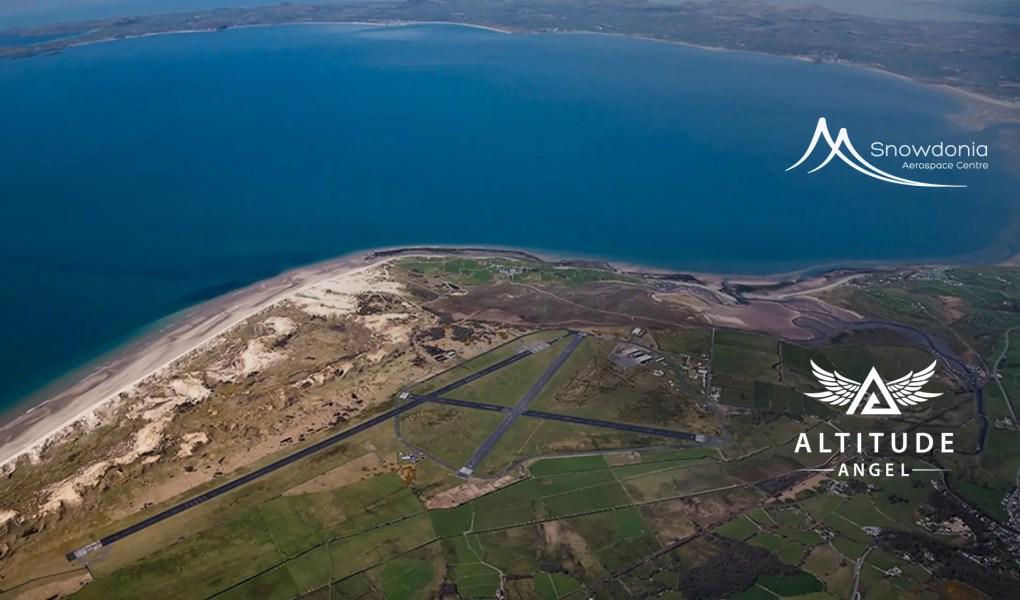
New trials Advance UK Closer Towards Daily BVLOS Drone Deliveries
The UK Civil Aviation Authority (CAA) has chosen six trial projects that advances the momentous time of daily BVLOS drone deliveries, reports a press release. Among those included are schemes that involve drone healthcare transportation, energy infrastructure and ‘sky highways’.
The CAA had invited organisations to bid to participate in an innovation sandbox earlier this year to validate and test their concepts, supporting the development of BVLOS capabilities.
The release explains, “Sandboxes are controlled environments where organisations can test their innovative technologies against the existing regulatory framework, helping applicants maximise the readiness of their innovation, and also help the UK Civil Aviation Authority develop better, more efficient ways to develop new regulations.”
Projects include Apian London Health Bridge; Cranfield Airport and Project BLUEPRINT; Droneprep Open Skies Cornwall; HexCam; Skyports Project TRAject; and Snowdonia Aerospace Centre Project Dragons Eye.
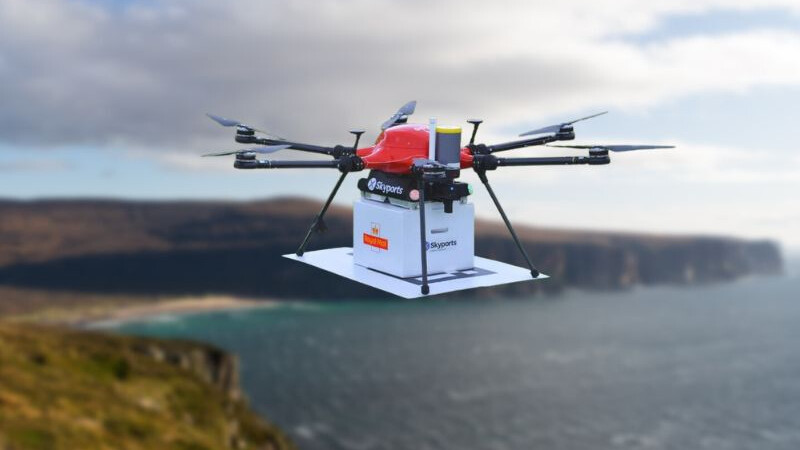
BVLOS Mail and Parcel Drone Deliveries Could Become a Daily Feature for More Remote Areas (Credit: Skyports)
Sophie O’Sullivan, Head of Future Safety and Innovation at the UK Civil Aviation Authority, commented, “Our innovation sandboxes play a pivotal role in our ongoing mission to develop efficient, forward-thinking regulations that will allow different types of aircraft to use the same airspace.”
She continued, “The chosen projects encompass a range of critical applications, including medical deliveries and infrastructure surveying. They highlight the varying role that drones could play in the aviation ecosystem and the trials will provide invaluable insights into how we integrate drones safely with existing airspace users.”
These new tests will help develop plans for how drones can be safely integrated with other airspace users, as part of the regulator’s wider Airspace Modernisation Strategy.

Sophie O’Sullivan
A new policy concept will also be considered which focuses on a specific type of airspace structure called a temporary reserved area (TRA) to enable the trialling of systems and approaches that safely allow drones to operate within the same airspace as other aircraft.
Prior to this, drone operators wishing to fly BVLOS, usually have to apply for a temporary danger area (TDA), which effectively closes a section of airspace for other users for up to 90 days in duration.
For more information
(Top image: Credit — Altitude Angel)
