
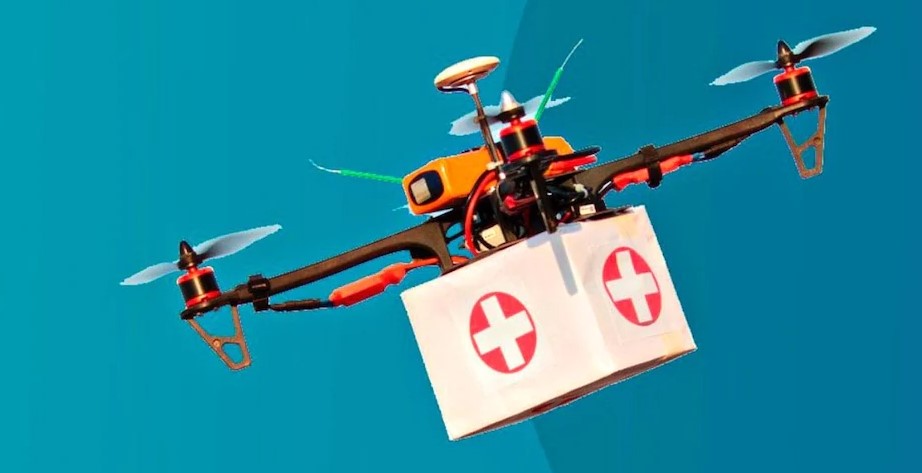
Skye Air Mobility and Aviant secure funding investments
Skye Air Mobility has picked up $1.7 million in seed funding from Chiratae Ventures, with participation from Lead Angels, O2 Angels, Agility Ventures, LetsVenture, and others. Leading angel investors, including Ankit Nagori (Curefit Co-founder), Varun Alagh (Mamaearth Co-founder), Rajeev Chitrabhanu (MD-CEO of JM Financial), among others also joined the round.
Skye Air, which currently operates in eight cities, wants to double its footprint in the next 24 months. It plans to use the funds to drive greater efficiency across verticals, bring in faster deliveries, reduce costs and carbon emissions, as well as improve accessibility to locations that are difficult to reach by road.
Earlier in March, Skye Air had announced that it plans to expand its fleet size to around 120 drones and travel one million kilometres in the next 12–15 months.
Skye Air Mobility CEO Ankit Kumar stated: “This investment comes at a time when we are intensifying our efforts to expand our services and collaborations in the Indian market.
“We are convinced that the new funding will facilitate our team to open untouched channels, allowing us to bring drone delivery services to more customers in India and beyond.”
Meanwhile, Trondheim-based startup Aviant has raised $2.3 million in seed funding led by Luminar Ventures with participation from Bring Ventures, the venture arm of the Norwegian Postal Service, co-founders, employees and existing investors.
Aviant was born at MIT in 2020 and the project quickly expanded, adding the transportation of blood samples, milk samples, water samples, and even spare parts to wind turbines to its roster.
They chose a fixed-wing quadcopter design that combines vertical takeoff and landing with efficient long-distance travel, with prototype drones built at MIT and tested in the Johnson Athletic Center around its running track.
Aviant’s hybrid variant offers vertical takeoff, an advantage that the company claims to offer an increased range of up to 120 km. Aviant’s offerings have been tested and succeeded in their delivery missions in winds up to 18 m/s and temperatures as low as ‑26 degrees Celcius.
“Drones are up to 90% less costly because they’re autonomous, emit 95% less CO2, and much faster than car-based transportation. In my mind, there’s no question that they will be a part of the future transportation infrastructure, especially of lightweight cargo,” explained Aviant client Røros Hospital’ Jan Gunnar Skogås.

