Vertical Aerospace unveils Valo — it’s New Commercial eVTOL Aircraft, Shares Planned Routes for Its Electric Air Taxi Network in UK
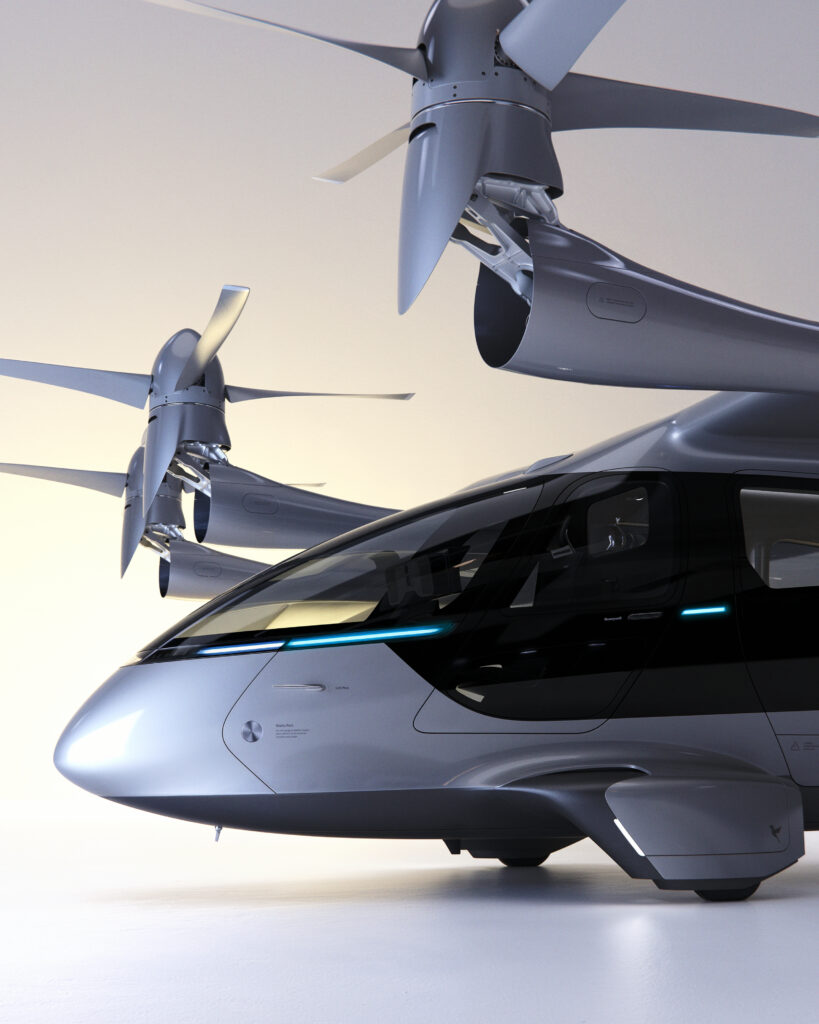
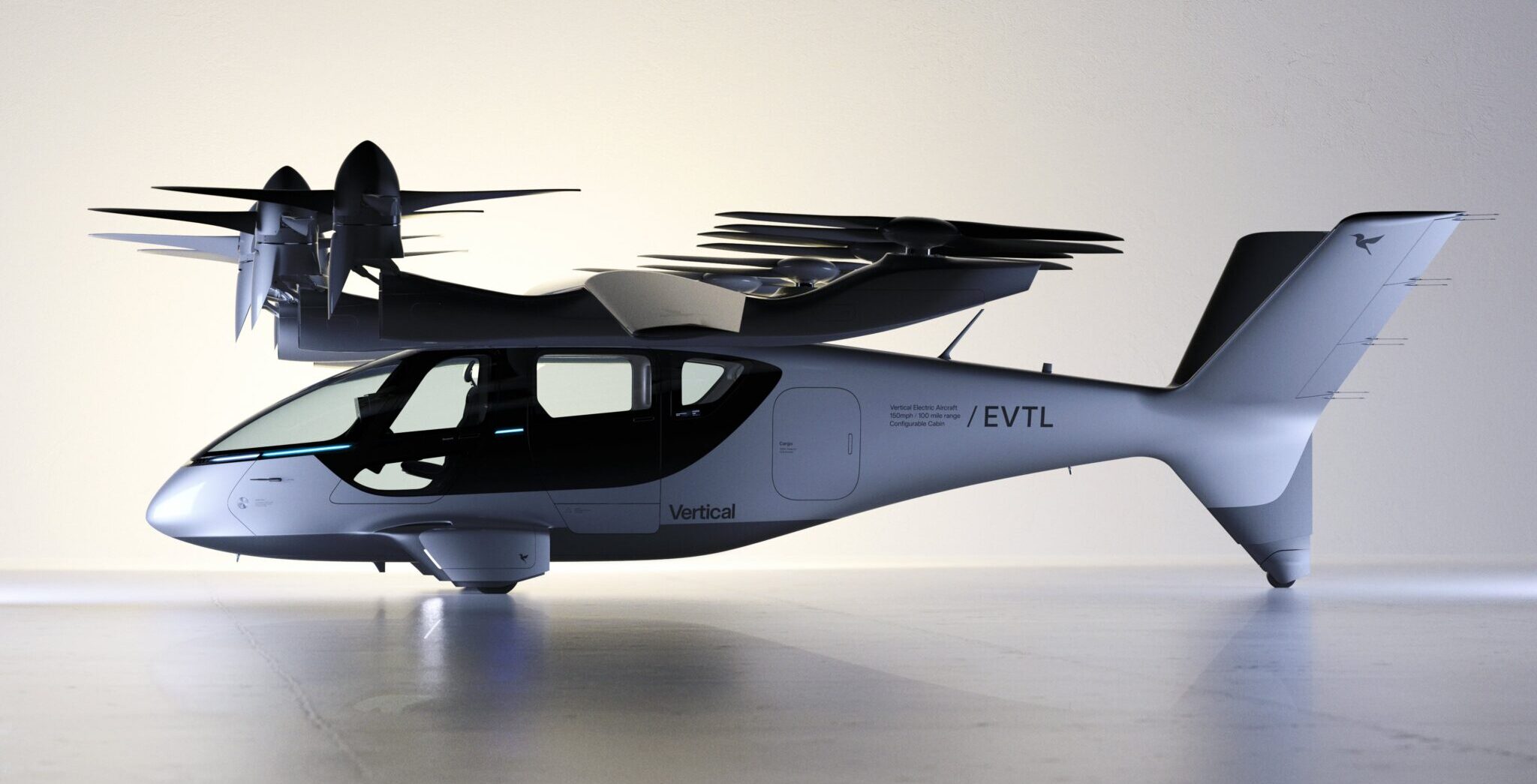
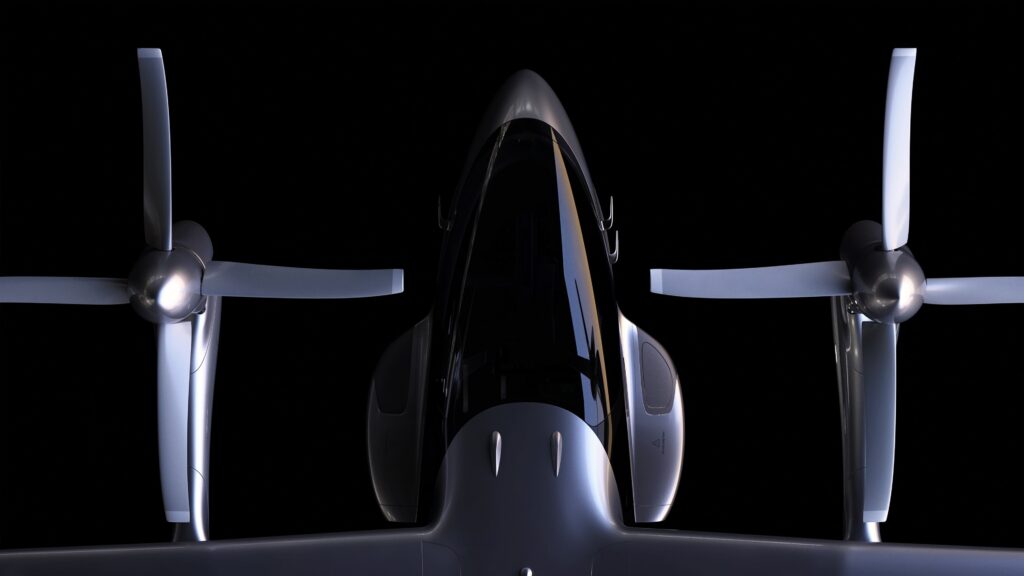
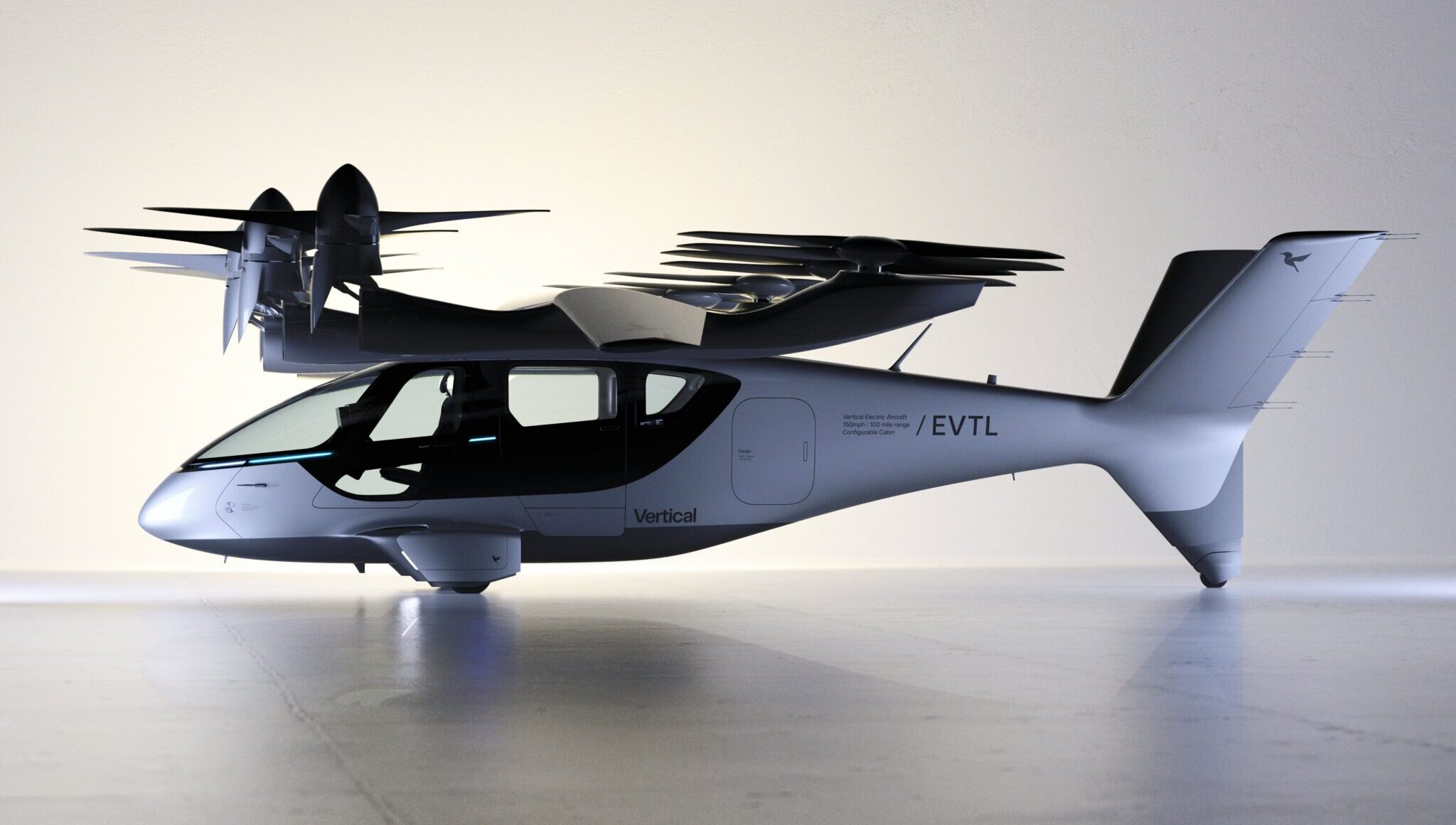
Vertical Aerospace has unveiled Valo, its new commercial eVTOL aircraft which the company is targeting certification by 2028 following regulatory approval.
The aircraft, which is today (Wednesday) displayed at The Pelligon in London’s Canary Wharf, succeeds Vertical’s VX4 prototype — with a new, more advanced design shaped by extensive insights from the Company’s piloted test programme and direct feedback from airline and operator customers.
Developed in collaboration with leading aerospace partners including Honeywell, Syensqo and Aciturri, Valo introduces a more aerodynamic airframe, an under-floor battery system, redesigned wing and propeller architecture, upgraded materials, and full certifiable redundancy to meet the world’s most rigorous safety standards.
Stuart Simpson, CEO of Vertical Aerospace, said: “With the launch of Valo, Vertical moves from prototype developer to aerospace manufacturer.
“Valo is the aircraft that turns electric flight into a commercial reality — clean, quiet, fast and engineered for everyday service. It marks a new dawn in transport, one that will connect people in minutes, not hours.”
Premium cabin and largest luggage capacity
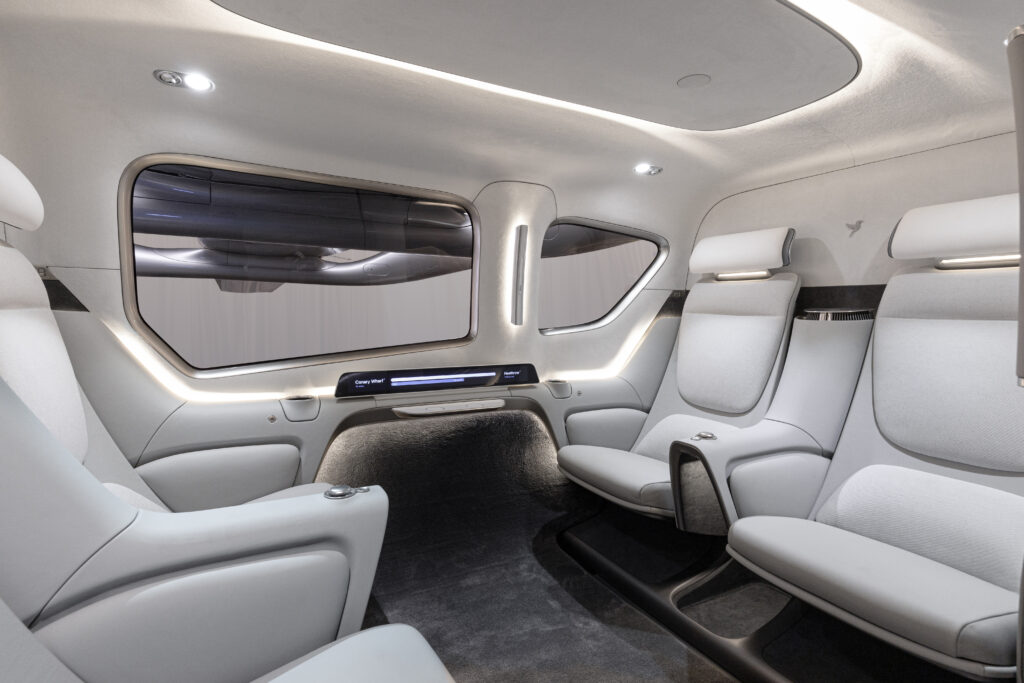
Valo’s premium cabin will launch with four seats, offering panoramic windows, generous personal space, and a cockpit divider for enhanced safety and privacy.
The aircraft’s flexible design enables expansion to six seats, with the potential to improve operator economics and lower fares for passengers. Valo’s platform also supports emergency medical services, cargo missions and, in the future, defence, hybrid and autonomous variants.
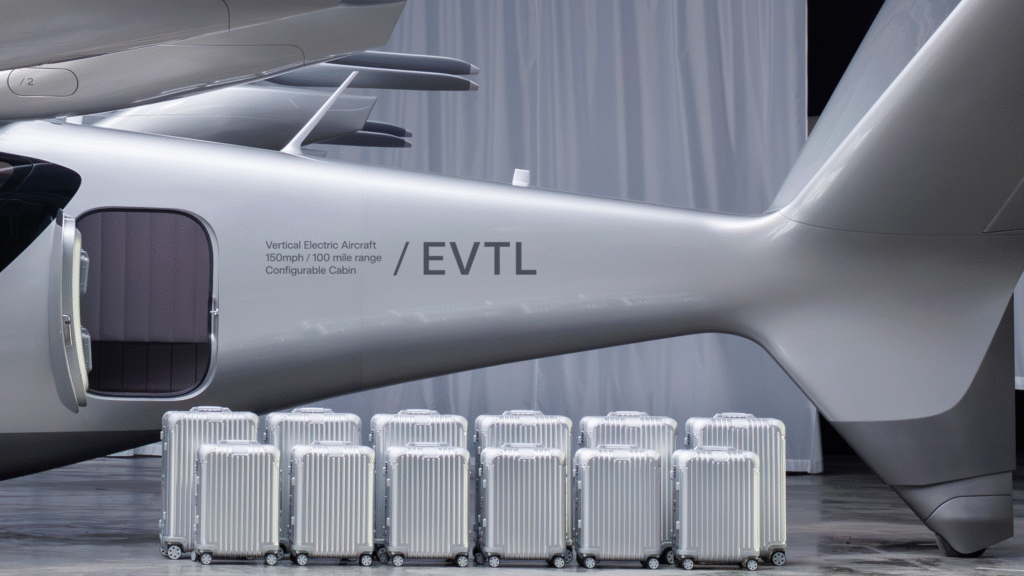
Crucially, Valo features the largest cargo hold within its class, developed in response to airliner feedback. With room for six cabin bags and six checked bags, passengers can travel without compromise – a major advantage on airport-to-city services.
From prototype to product
Vertical is now close to completing full piloted transition flight with its full-scale prototype — the defining manoeuvre of electric aviation in which the aircraft shifts from vertical lift to forward flight.
Earlier test phases validated hover, thrustborne and wingborne performance, generating thousands of data points that directly shaped Valo’s certifiable design.
Vertical will now build seven certification aircraft in the UK to support final testing with the UK Civil Aviation Authority (CAA) and the European Union Aviation Safety Agency (EASA) ahead of targeted Type Certification in 2028. After certification, Valo will enter commercial service.
Domhnal Slattery, Chair at Vertical Aerospace, said: “Valo sets a new standard — bigger, safer and more capable than anything in the sector. It’s a breakthrough for aviation and a clear sign of the UK’s leadership in aerospace.
“Valo embodies the best of Vertical — precision engineering, passenger-first design and deep collaboration with global aerospace partners — creating an aircraft with the most compelling operator economics.”
A major boost for UK aerospace and economy
The introduction of Valo will mark the UK’s return to designing and manufacturing new whole commercial aircraft for the first time in over 30 years and a significant opportunity for the national economy.
According to an independent report published last week by Frontier Economics, Vertical is expected to create over 2,000 high-skilled UK jobs and contribute £3 billion annually to the economy by 2035.
Routes for UK’s First Electric Air Taxi Network Announced
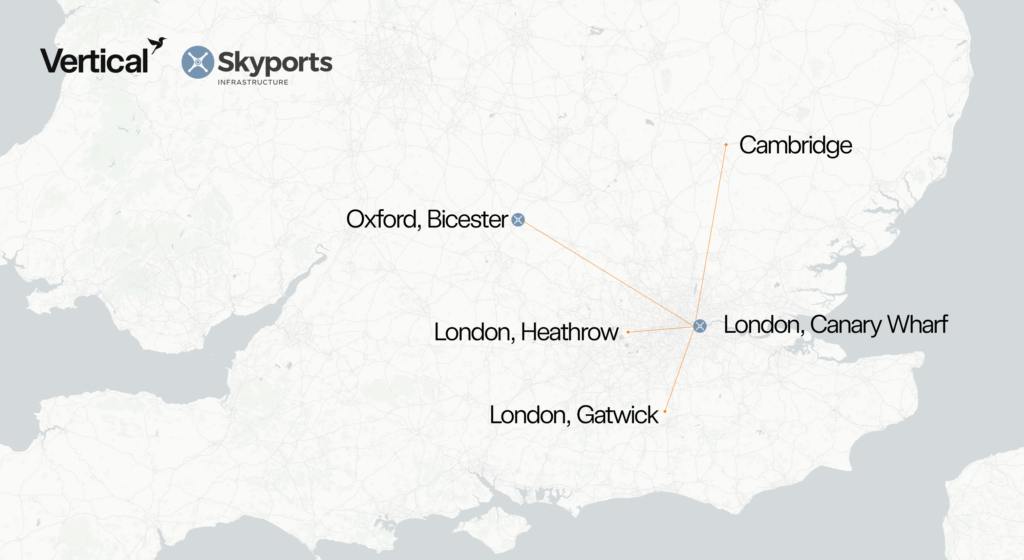
Additionally, Vertical has announced plans with Skyports Infrastructure and Bristow Group to launch the UK’s first electric air-taxi routes between Canary Wharf and major transport hubs, including London Heathrow, London Gatwick, Cambridge and Oxford.
The first phase, planned from Q1 2029, will focus on the UK’s highest-value mobility corridors. The proposed routes, operated by Bristow, would dramatically cut journey times compared with traditional ground travel. For example, cutting a typical Canary Wharf-to-Heathrow transfer from 60–90 minutes on the ground to 12 minutes in the air.
New Customer for planned routes across France’s Côte d’Azur
As well as announcing Valo and its UK electric air taxi network, Vertical has also confirmed a new partnership with Héli Air Monaco. The founding helicopter operator in the French Riviera has signed a MoU for the pre-order of Valo, opening a new chapter for sustainable air mobility along the Côte d’Azur.
Héli Air Monaco will operate Valo across its network, connecting destinations such as Monaco, Nice, Cannes and Saint-Tropez through quiet, comfortable, zero-operating emission flights.
Vertical says this new partnership signals an important step toward decarbonised aviation in Europe, enabling electric, quiet operations on some of the world’s busiest air taxi routes around Nice airport.
The deployment of Valo will help preserve the Riviera’s environment while elevating the region’s premium hospitality and travel offering. Héli Air Monaco will integrate Valo into its high-end mobility services, offering seamless transfers between airports and heliports.
The partnership is being supported by Aéroports de la Côte d’Azur and Monaco Heliport, to develop the infrastructure adaptations required for Valo’s future operations.
Valo – Key Target Technical Specifications
Range & Speed: Up to 100 miles at up to 150 mph, with zero operating emissions and quiet performance (<50 dBA in cruise)
Battery power: Eight liquid-cooled under-floor battery packs; ~12-minute short-mission recharge; architecture designed to accommodate future battery advances
Safety: Designed to meet airliner-level safety standards (UK/EU 10⁻⁹; CAA/EASA, SC-VTOL Category Enhanced), enabling truly global portability
Redundancy: Eight electric motors (EPUs), each powered by multiple electrically isolated power lanes to ensure maximum safety.
Cabin & Payload: Largest cabin in its class; seating for up to six passengers plus observer seat; 550 kg / 1,200 lbs total payload at entry into service; space for six cabin bags and six checked bags; cockpit divider for safety and privacy
Versatility: Supports EMS, cargo, and future defence, hybrid and autonomous variants.