
Airspeeder Unveils Mk4 Flying Racecraft and Launches Global International Series at The Bend
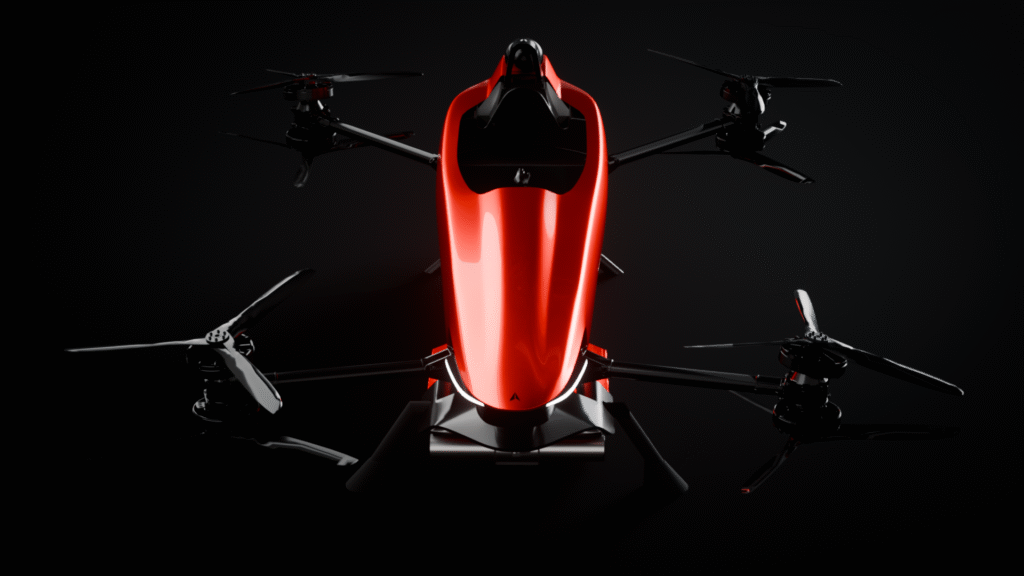
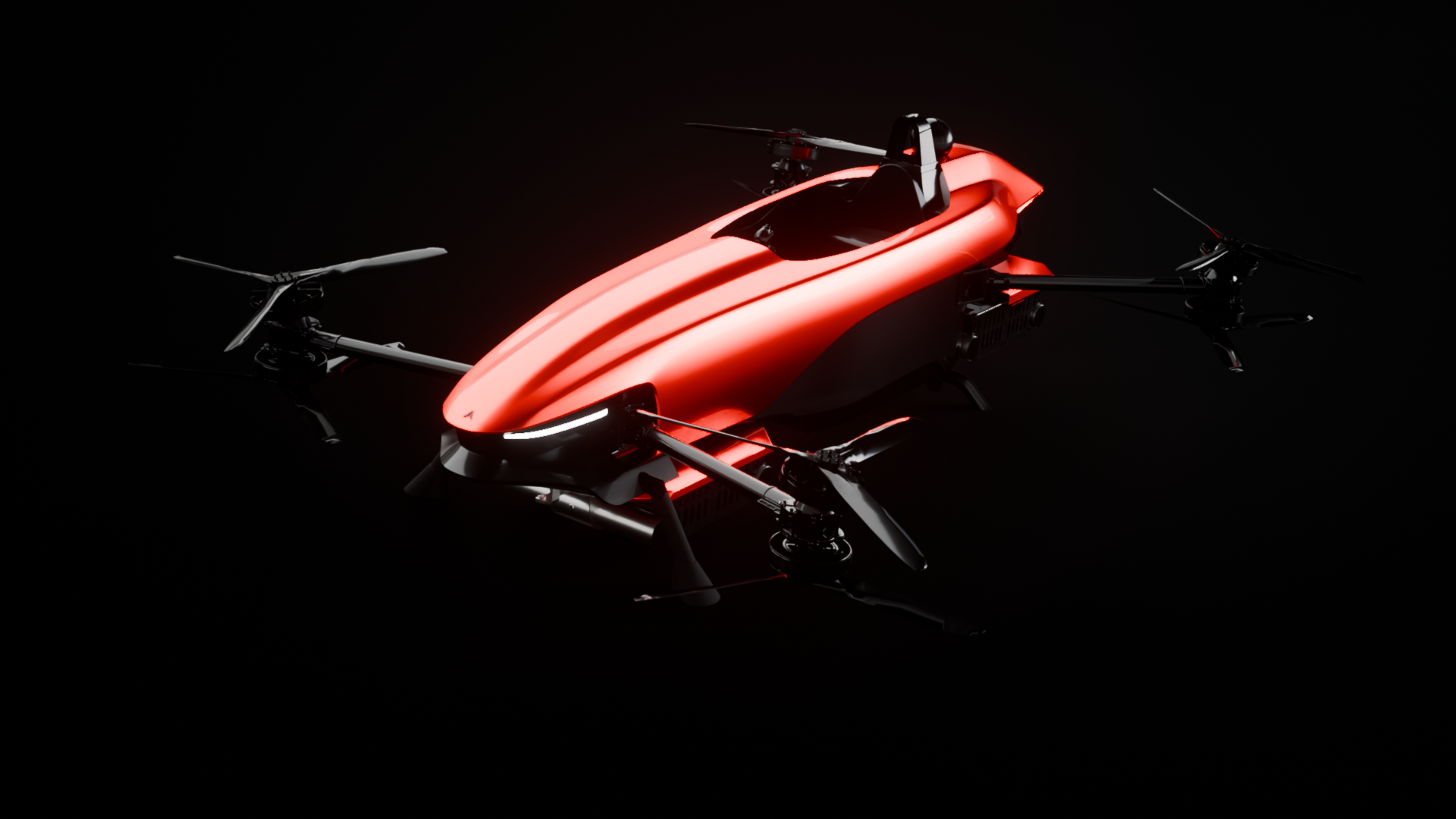
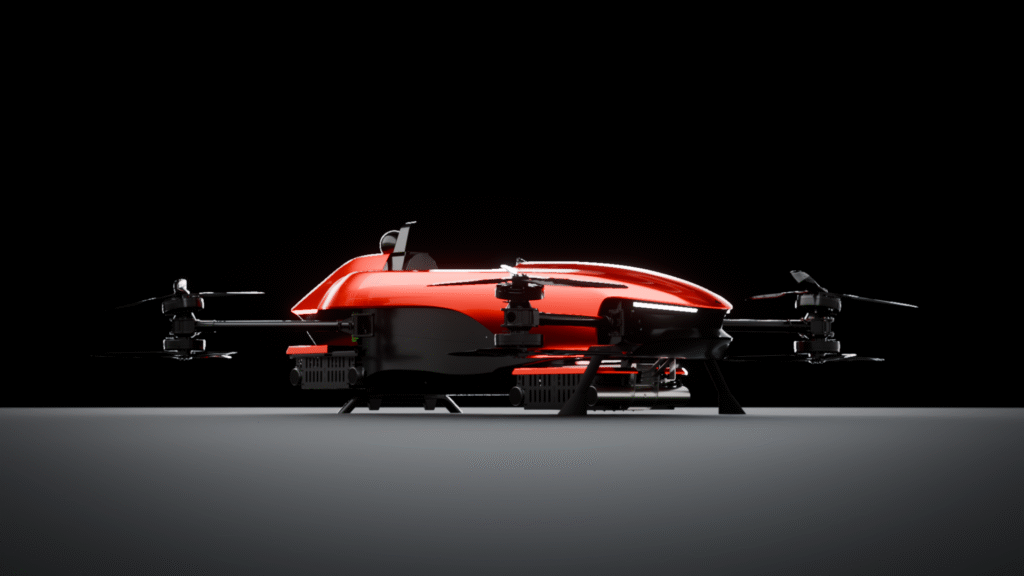
Airspeeder, the world’s first electric flying car racing series, has unveiled its next-generation Alauda Airspeeder Mk4 for the first time at The Bend Motorsport Park in South Australia, alongside the official launch of the Airspeeder International Series.
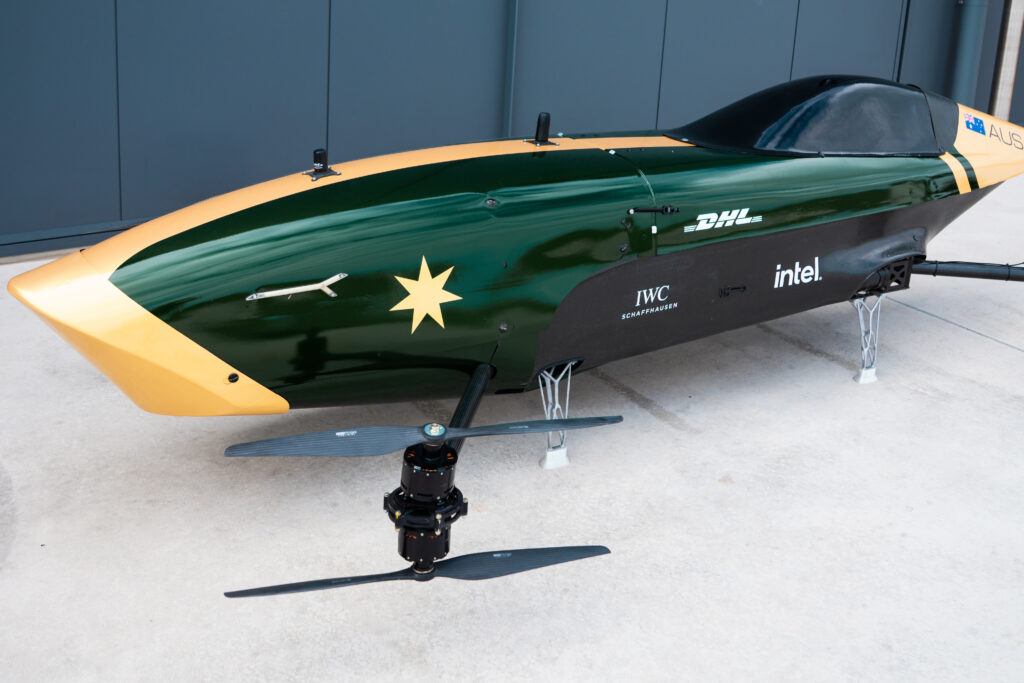
The landmark event also marked the debut of Team Australia and Team Italia, which flew competitive demonstrations using the Airspeeder Mk3C platform. This is the first time Airspeeder has raced within existing motorsport infrastructure, signaling a major step toward integrating aerial racing into mainstream global sport.
The event was delivered in partnership with Intel, Airspeeder’s Intelligence Partner, powering the real-time AI systems and compute infrastructure behind the racing platform.
A New Global Championship for the Physical AI Era
The Airspeeder International Series will feature ten national teams representing countries at the forefront of eVTOL development and advanced air mobility.
The series brings together thousands of engineers, designers, and researchers working across aerodynamics, battery systems, propulsion, and AI-powered collision avoidance — transforming racing into a global engineering competition at the edge of physics and autonomy.
Matt Pearson, co-founder of Airspeeder and Fleet Space Technologies, said: “Airspeeder has become a proving ground for the most advanced physical AI systems ever built. This is where the future of flight is being written: in competition, at speed, under pressure.”
Mk4: The Next Generation of Flying Racecraft
The unveiling of the Airspeeder Mk4 marks a major leap in performance, safety, and AI integration. Following the world-first experimental certification of the Mk4 by Australia’s Civil Aviation Safety Authority (CASA), the platform establishes a global benchmark for regulated racing eVTOL development.
At its core is AI Forcefield, Airspeeder’s proprietary shared-control system enabling high-speed, close-proximity racing through real-time collision avoidance and intelligent flight control — transforming each aircraft into a flying edge AI system.
Pearson added: “This is the Formula 1 of robotics. We are building the systems that will one day power safe, autonomous flying cars at global scale.”
Australia’s Moment: Building Sovereign Capability
The launch of Team Australia represents a broader national ambition — to unite industry, academia, and government around the development of next-generation air mobility.
Pearson explains: “Australia needs a place where its best engineers and companies can come together as one team. Airspeeder is that platform. Industry partners are already backing Team Australia with talent and resources, positioning the nation at the forefront of sovereign capability in aerospace and AI.”
Team Italia Takes Flight
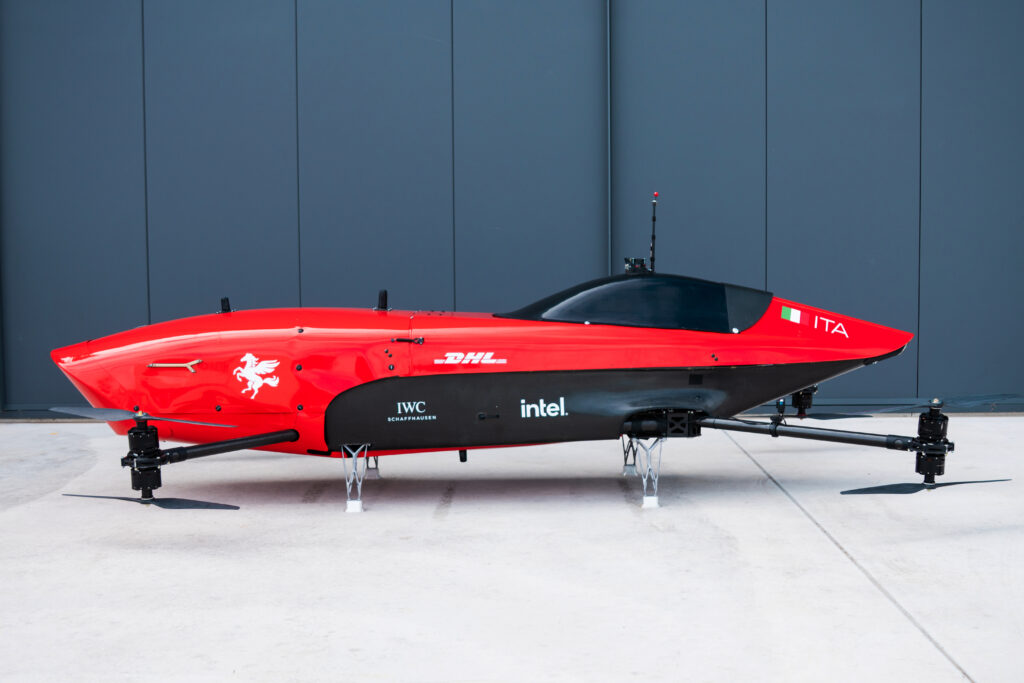
A defining moment of the event was the debut of Team Italia, based in Torino — the historic heart of Italian automotive and aerospace engineering. Bringing together world-class talent from motorsport and aviation, Team Italia represents a fusion of Italy’s greatest industrial traditions with the frontier of flight.
In a moment that captured the imagination of the crowd, the Italian Airspeeder Mk3C, finished in its iconic Rosso Corsa livery, surged into the skies above The Bend — a powerful symbol of Italy’s racing soul reborn in three dimensions.
From Ferrari to Fiat, from Turin’s design houses to its aerospace pioneers, Italy has long defined speed, style, and engineering excellence. Now, with Team Italia, that legacy takes flight — positioning the nation at the forefront of the global race for flying cars and physical AI.
From Motorsport to the Future of Physical AI
Airspeeder is rapidly emerging as a platform for the world’s leading technology companies to showcase physical AI systems in motion.
The company was recently featured in NVIDIA CEO Jensen Huang’s keynote at GTC, highlighting Airspeeder as a leading example of the next frontier of AI, beyond software and into real-world machines. As humanoid robotics matures, flying cars represent the next great physical AI market, where autonomy, safety, and performance converge in real time.
Built on Momentum
This recent announcement builds on a series of major milestones:
- World’s first experimental certification for a racing eVTOL
- Three successful flying car racing events
- Development of AI Forcefield shared-control system
- Partnerships with Intel, Dell, AWS, Telstra, and IWC Schaffhausen

