Ascendance Reaches Structural Milestone in the Development of Its Hybrid-Electric Aircraft ATEA
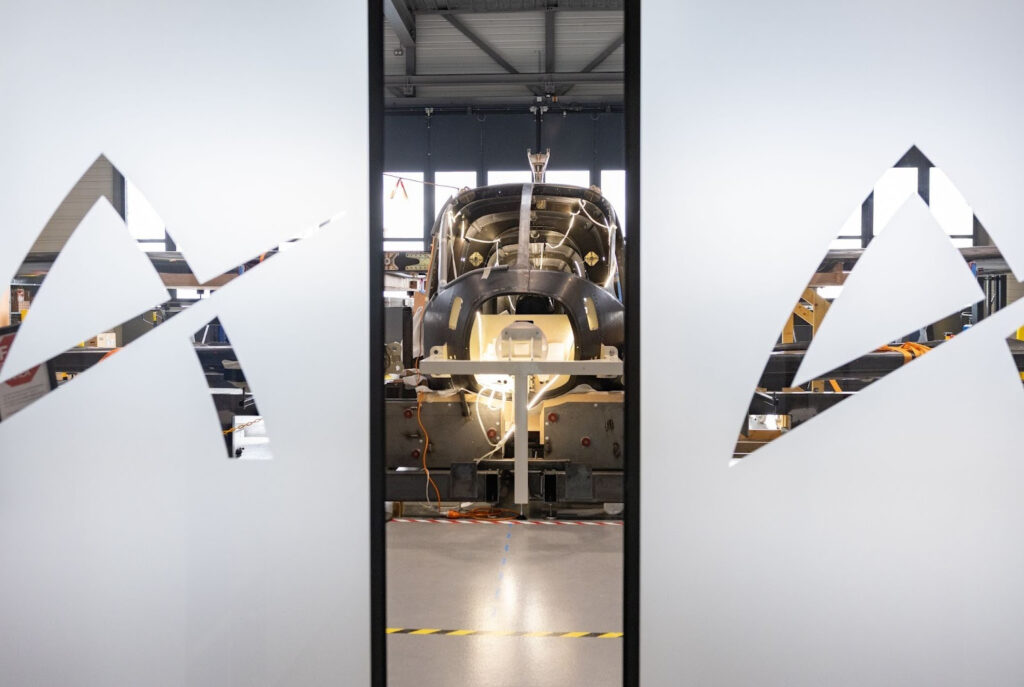
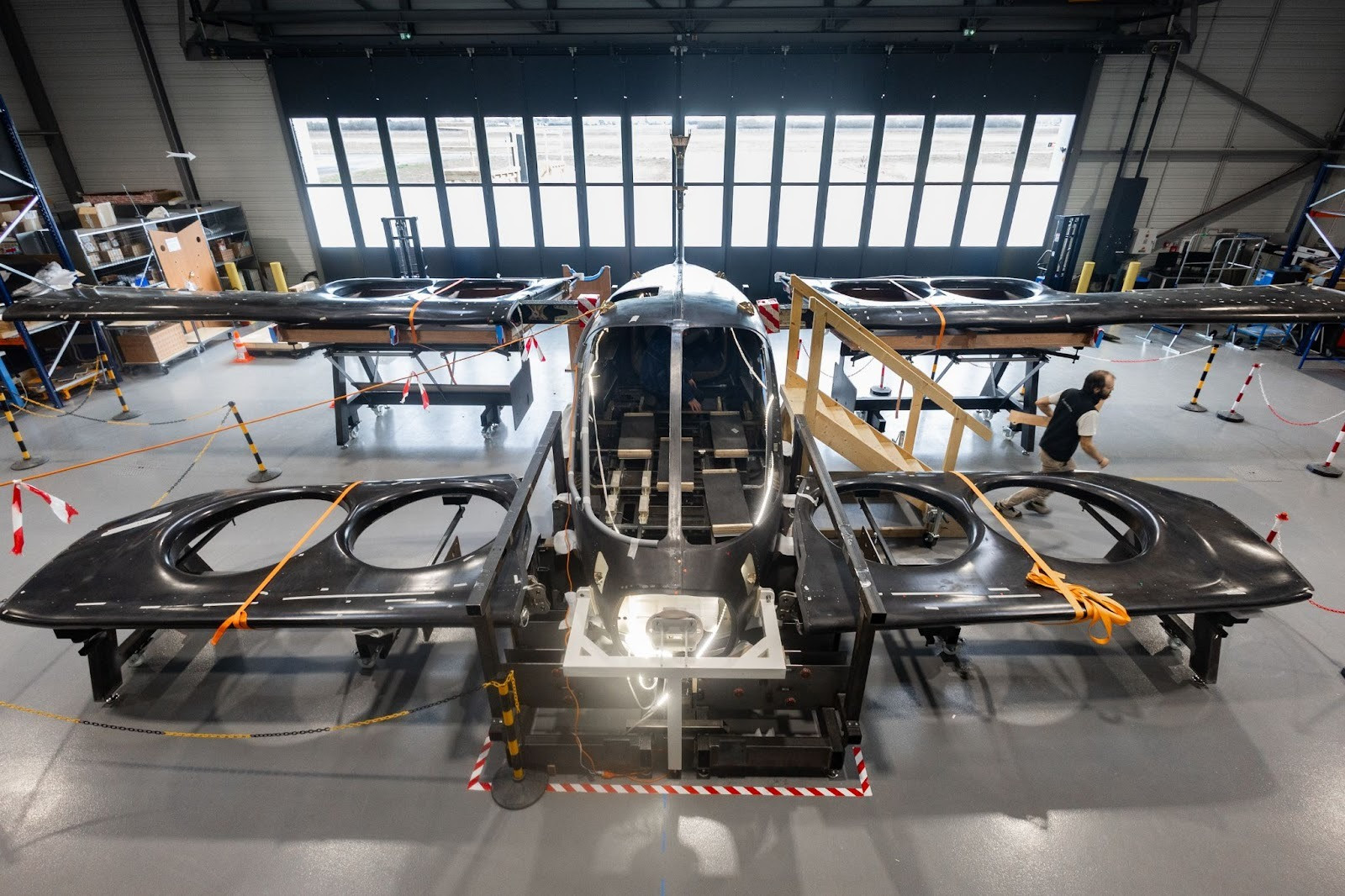
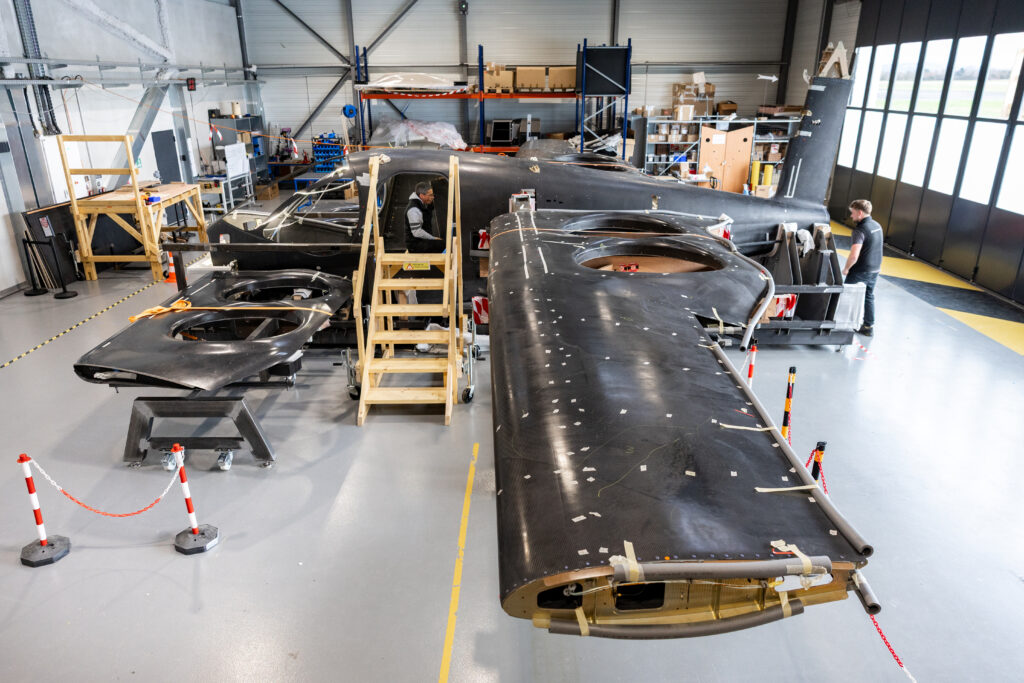
French startup Ascendance has announced its ATEA hybrid-electric aircraft has entered its final integration phase, with the completion of a demonstrator at its Toulouse facility.
Engineered under the direction of Ascendance’s teams and manufactured by DUQUEINE Group, this strategic milestone marks the culmination of years of design work, aerodynamic optimisation and industrialisation.
Alongside ATEA’s development, Ascendance is already putting its STERNA hybrid-electric technologies to work with partners, notably in the drone sector as well as for civil aviation. These collaborations validate the hybrid architecture in operational environments, demonstrate its robustness across diverse mission profiles, and accelerate the industrial maturity of the technology.
Jean-Christophe Lambert, CEO, Ascendance, said: “ATEA’s entry into its final integration phase is a particularly significant moment for our teams. It brings to life years of design, hybrid-electric propulsion testing, and avionics validation.
“ATEA is not just an aircraft — it is the demonstrator of a complete architecture combining hybrid-electric propulsion, distributed propulsion, and fly-by-wire flight controls.
“This is proof that our conviction around hybrid-electric aviation is taking shape. It is not simply a vision for the future of aviation, it is a pragmatic, operational solution to accelerate decarbonization and strengthen our position in this critical sector of aerospace.”
A Breakthrough Architecture, the Result of Years of Design and Validatio
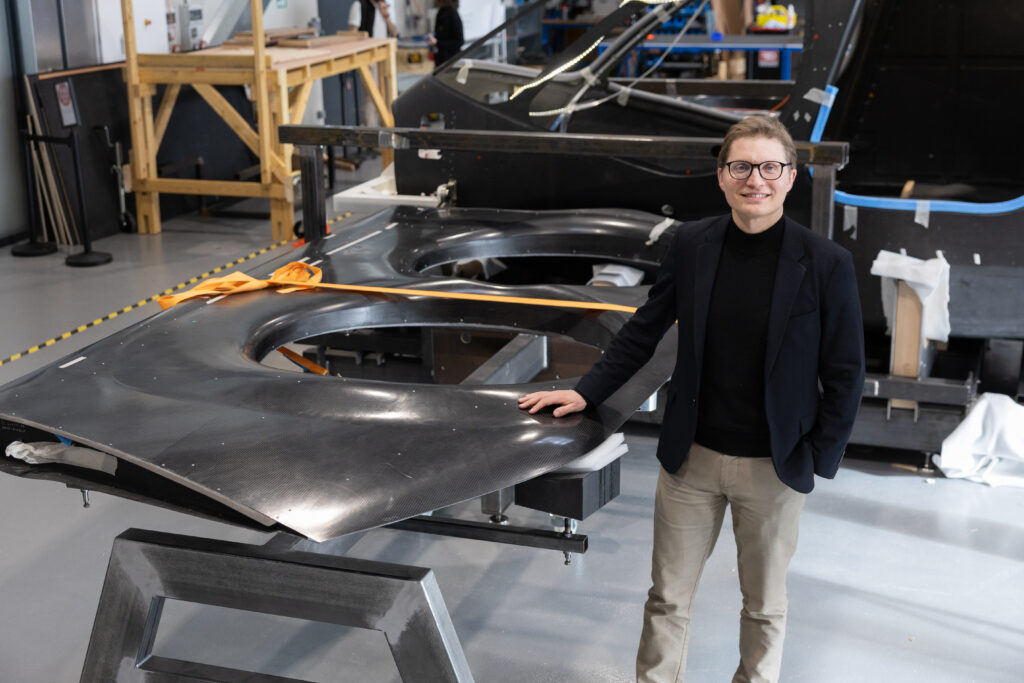
Prior to the launch of prototype production, ATEA’s architecture underwent advanced design campaigns, structural analyses, aerodynamic studies and wind tunnel testing. This work validated the architectural choices specific to a hybrid VTOL aircraft integrating distributed propulsion and fly-by-wire flight controls.
With the structure now in place, full integration can begin of:
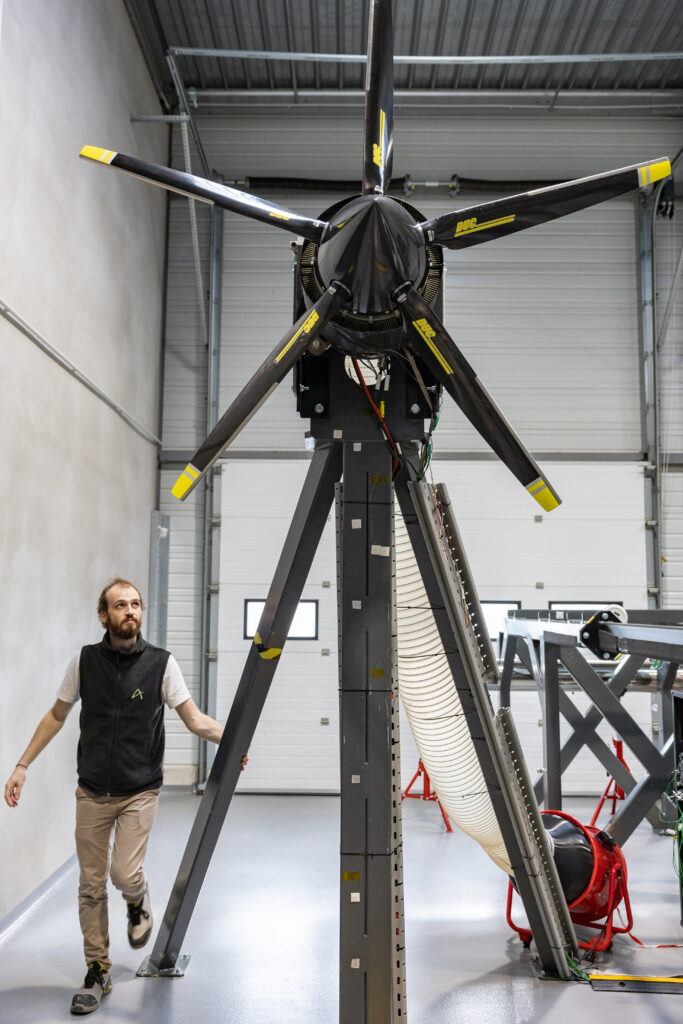
- The STERNA hybrid-electric propulsion system, developed by Ascendance, integrating Safran’s ENGINeUS electric motor
- A distributed propulsion architecture, full avionics systems and flight control system
- Fly-by-wire flight controls — key elements of the new more-electric aircraft architectures
Four Years of Hybrid Testing and Avionics Validation
ATEA’s entry into integration is the outcome of a four-year maturation cycle. Ascendance’s hybrid propulsion system has undergone more than 500 hours of continuous bench testing, validating its architecture, technologies and equipment, reliability and performance.
In parallel, avionics systems and flight control laws were tested through advanced flight simulations integrating the full operational chain: complete cockpit, integrated onboard systems, and ground communications.
These campaigns were conducted with Ascendance’s test pilots and also involved EASA-certified pilots, contributing to the robustness of the control architecture and its compliance with regulatory requirements.
This integrated approach, hybrid-electric propulsion, avionics, and flight controls, positions ATEA as a technologically mature platform.
A Dual-Use Aircraft for Civil and Defense Applications
ATEA embodies a pragmatic and versatile approach to electric hybridization. Its distributed hybrid-electric architecture enables:
- Significant improvement in energy performance
- Reduced fuel consumption and CO₂ emissions
- Adaptability to civil missions and defense applications
The versatility of its applications — passenger, cargo, medical, and security missions — is a defining axis of the program.
A European Ambition Built on Technological Mastery
Designed, assembled and tested in France, ATEA is the product of a national and European industrial ecosystem united around a shared ambition: building a sovereign hybrid-electric aviation sector.
Through its STERNA hybrid-electric technologies and the ATEA demonstrator, Ascendance is developing an integrated approach combining:
- Mastery of hybrid-electric and distributed propulsion
- Advanced avionics architecture
- Flight control laws and fly-by-wire flight controls
- Full system integration
This milestone strengthens Ascendance’s ambition to position itself in Europe as the leader in high-performance, dual-use, and exportable hybrid-electric solutions, capable of meeting both decarbonization requirements and strategic resilience imperatives.
Founded in 2018 by Lambert, Thibault Baldivia, Clément Dinel and Benoît Ferran, Ascendance designs and industrialises next-generation hybrid-electric propulsion systems to meet the decarbonization and performance challenges of civil and defense aviation. It is driven by the conviction that hybrid-electric opens a new era of modern aviation.
Backed by Bpifrance, the France 2030 program, and the Région Occitanie, the startup develops STERNA Hybrid Pack, an innovative dual-use hybrid-electric propulsion system combining performance, range, and emissions reduction.
This hybrid propulsion system powers ATEA, a vertical takeoff and landing (VTOL) aircraft designed as a low-carbon alternative to light helicopters for regional air transport — passengers, cargo, medical, and security missions. Ascendance thus carries a dual civil and defense ambition in service of a sovereign aeronautical transition.