
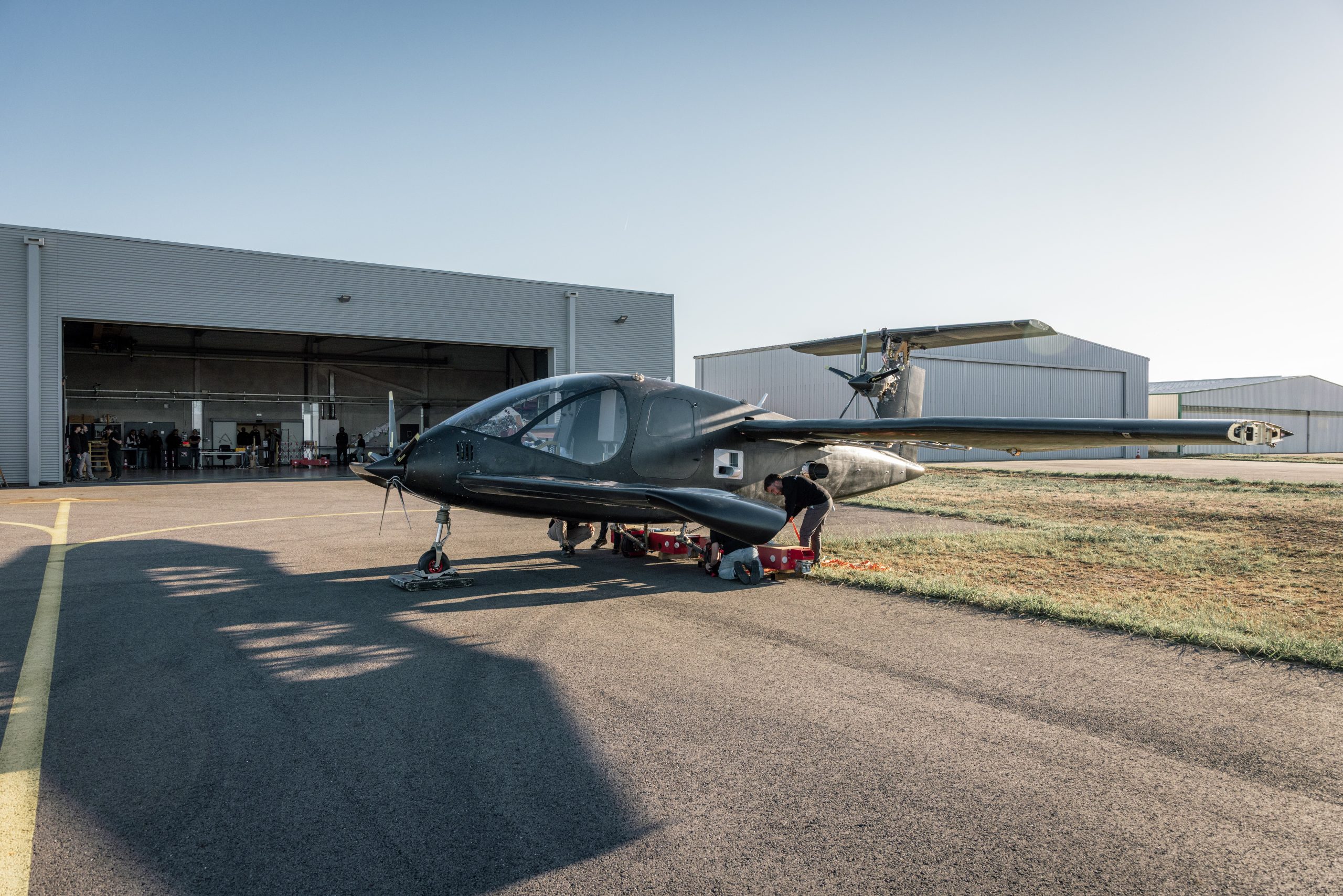
Ascendance Unveils Full-Scale ATEA Hybrid-Electric VTOL Aircraft
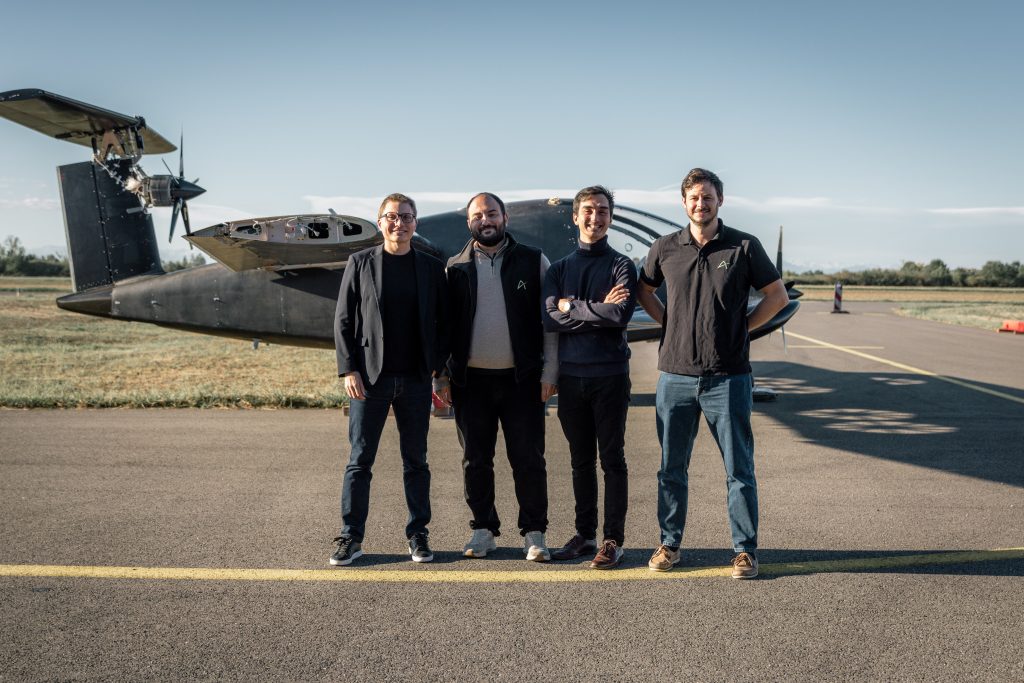
French aerospace developer Ascendance has unveiled ATEA, a full-scale hybrid-electric vertical take-off and landing (VTOL) aircraft designed around the company’s STERNA propulsion system.
The aircraft was presented on 19 November, marking the culmination of eight years of development. It features eight rotors integrated into its wings for vertical flight and two propellers for forward propulsion. The configuration is intended to combine the operational flexibility of a helicopter with the efficiency of wing-borne cruise flight.
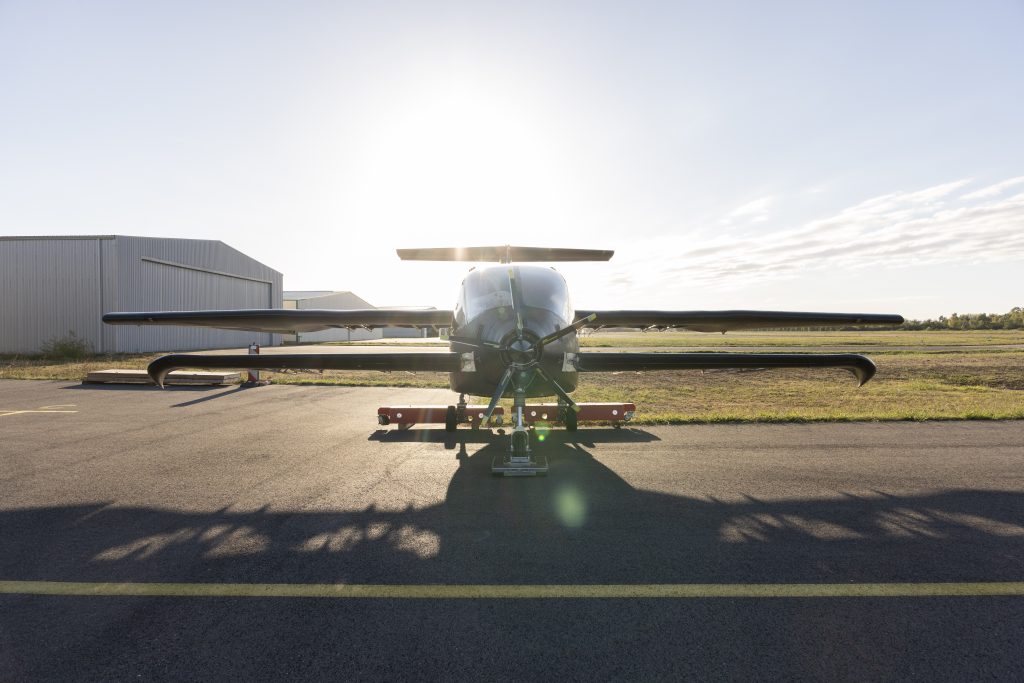
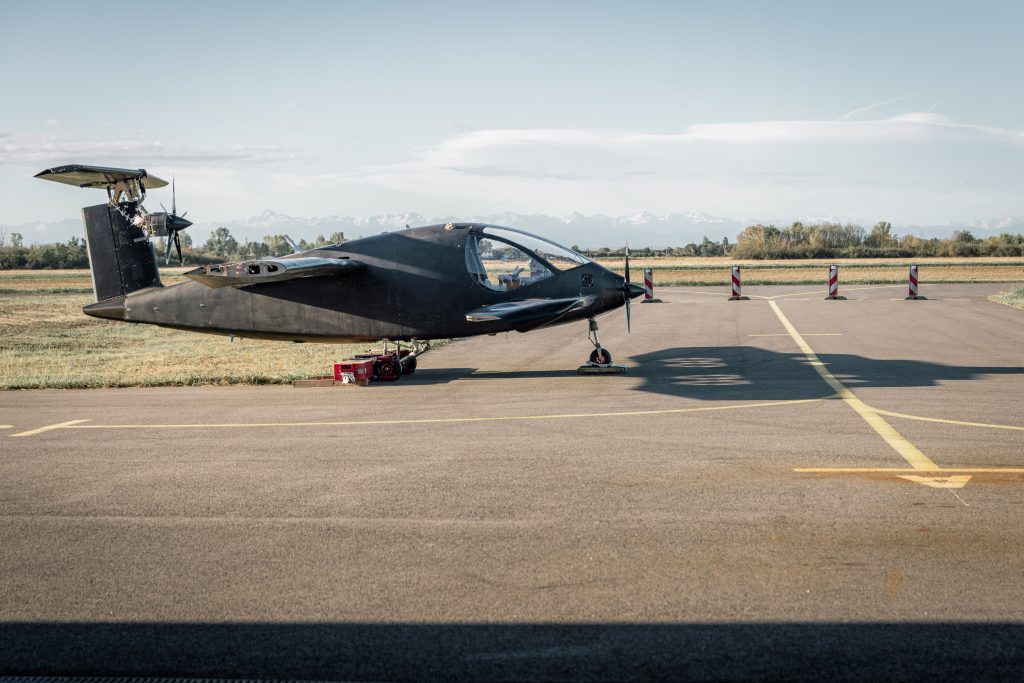
Ascendance lists capacity for four to six passengers, a target range of approximately 560 miles (900km) and a target cruise speed exceeding 155mph (250km/h). These remain manufacturer-stated performance targets rather than demonstrated flight results.
ATEA is powered by STERNA, a modular hybrid-electric system combining battery storage, onboard electrical generation and power management. The architecture is intended to manage energy use across different phases of flight and is also being developed for applications beyond ATEA, including drones, light aircraft and larger civil and defence platforms.
Ascendance reports that STERNA has completed more than 1,000 hours of full-scale test-bench testing. The company is also preparing to expand production capacity for the propulsion system at its Muret-Lherm facility in 2027.
Jean-christophe Lambert, Co-founder And CEO, Ascendance — “ATEA demonstrates what that vision can become. However, our ambition extends beyond a single aircraft. With STERNA, we want to make hybrid-electric propulsion a new standard for aviation performance, improving efficiency while reducing fuel consumption and emissions.”
The company is looking to increase production capacity for STERNA as soon as 2027, with an aim to support the platform’s widespread deployment. Asendance has rained more than €60 million and has over 100 employees within its team, as well as more than 140 patents to its name — making this reveal an important step towards achieving even further expansion and production capabilties.
The aircraft’s unveiling comes with the company reporting more than 630 letters of intent to purchase. These indicate prospective customer interest but do not represent firm orders or confirmed deliveries.
Ascendance also cites potential reductions of up to 80% in carbon dioxide emissions, 75% in noise footprint and 50% in direct operating costs compared with conventional aircraft. The figures are company targets and will require validation through testing and operational experience.
Following the rollout, the development programme will continue with ground testing and system validation. Ascendance is working towards obtaining an EASA Permit to Fly for the aircraft’s first piloted flight. The permit would allow flight testing to proceed; it would not constitute type certification or approval for commercial operations.