
New ASTM International Standard Supports Vertiport Design and Development
The first official vertiport standard published anywhere in the world has been released. F3423, a new American Society for Testing and Materials (ASTM) International standard that supports the design of civil vertiports, is the result of a five-year effort by ASTM’s F38 unmanned aircraft systems committee.
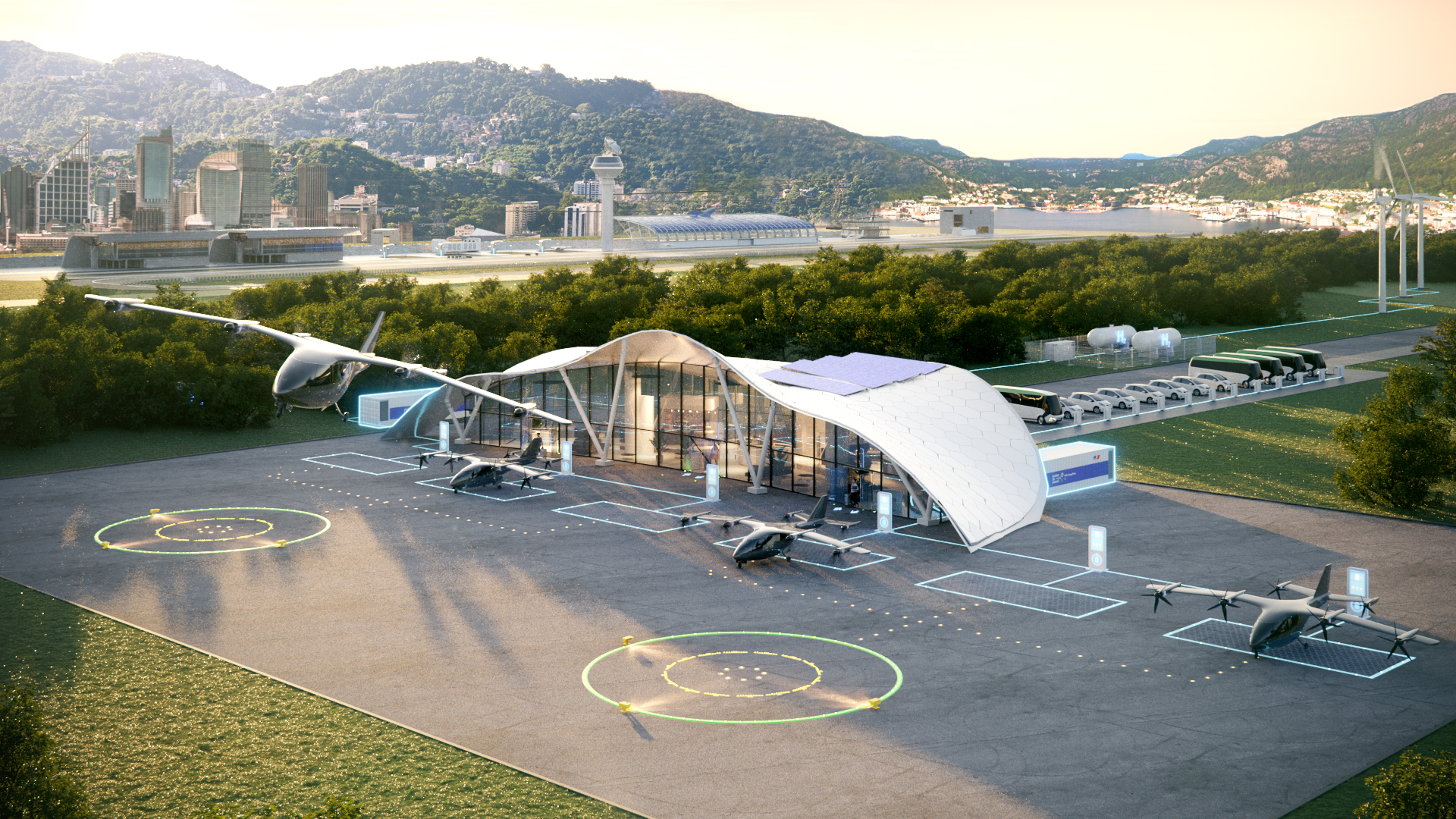
A vertiport is a section of land, water, or structure intended for either manned or unmanned vertical takeoff and landing of aircraft, along with the associated buildings and facilities.
A vertistop has the same geometry and airspace as a vertiport but meant for the discharge of passengers or cargo only with no fueling, defueling, scheduled maintenance, scheduled repairs, or storage of aircraft permitted. These structures fall under the category of advanced air mobility infrastructure (AAM).
According to ASTM International Fellow Jonathan Daniels, the newly published F3423 standard will provide scalable specifications to guide states and municipalities in the development process of their AAM infrastructure.
Daniels said: “Everyone involved in the development and implementation of AAM transportation and its supporting infrastructure will find this standard extremely helpful.”
This new standard is the foundation for additional working groups supporting automated vertiports and connections through the vertiport supplementary data service provider (SDSP) work item.
ASTM International member and working group volunteer Rex Alexander said: “The challenge in developing this standard was in balancing safety with practicality.
“Without empirical aircraft performance data to rely on, the team’s goal was to develop a practical standard as a starting point that is not only safety centric but provides municipalities with a common-sense path forward.”
This effort relates to several United Nations Sustainable Development Goals, such as affordable and clean energy (#7), decent work and economic growth (#8), reduced inequalities (#10), sustainable cities and communities (#11), and climate action (#13).
More than 30,000 people from 150 countries create and update standards through ASTM International, the high quality of which is driven by the expertise and judgment of members who represent industry, governments, academia, trade groups, consumers, and others.
About 150 committees with over 2,000 subcommittees meet face-to-face and virtually, using tools like electronic balloting and online collaboration areas, to develop standards. ASTM International also offers symposia and workshops that provide unique opportunities for members and others to exchange new ideas and knowledge in their fields.

