
REGENT Completes First Crewed Flight of Viceroy Seaglider
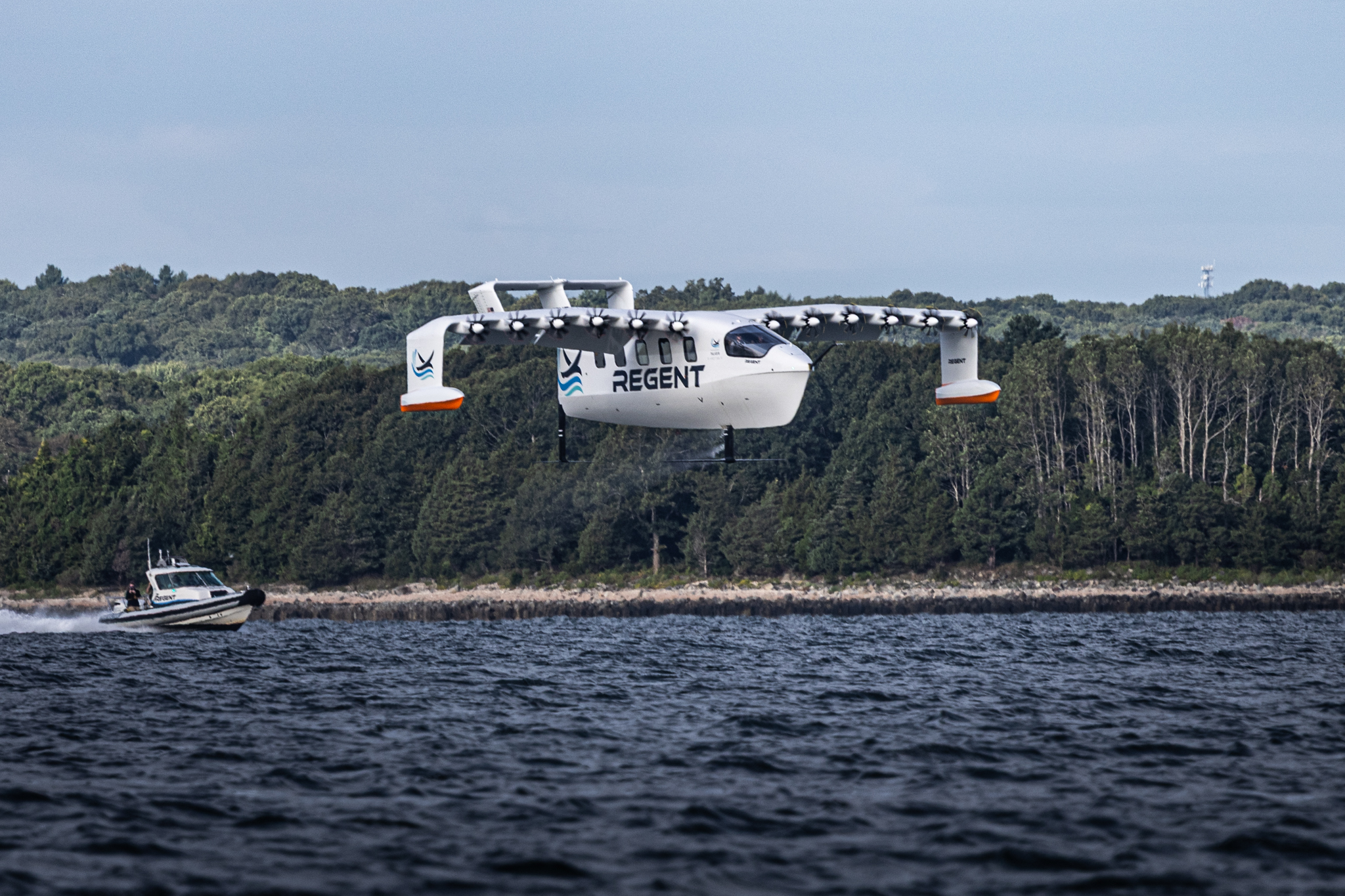
REGENT Craft has completed the first human-crewed flight of its Viceroy Seaglider prototype, marking a step forward in the development of an all-electric vessel designed for high-speed coastal transportation.
The flight took place at REGENT’s headquarters on Narragansett Bay in Rhode Island, with two captains aboard. The Viceroy travelled 1,956 feet (596 metres) at an altitude of 33 feet (10 metres) above the water for approximately 30 seconds.
The test marks the first crewed flight of REGENT’s Viceroy and follows earlier uncrewed flight testing of the company’s smaller Squire Seaglider drone. REGENT said the Viceroy flight will be followed by further sea trials as the company continues testing the aircraft ahead of planned production.
The flight also marks the first time a wing-in-ground effect vessel has been engineered and readied for commercial and defense operation at scale.
“This is the moment we have been envisioning and tirelessly pursuing for the past five and a half years: REGENT has successfully proven safe, efficient ground-effect flight,” said Billy Thalheimer, co-founder and CEO at REGENT.
The Viceroy Seaglider flight marks the start of a new era in mobility, unlocking opportunities across passenger travel, defense missions, and cargo transport. I’m so grateful to the amazing team who made history today. We’re now moving quickly toward production to deliver Seagliders to coastlines around the world
Seagliders are designed to operate in three modes: floating on their hull at low speeds, travelling on hydrofoils and flying close to the surface of the water using wing-in-ground-effect technology. The combination is intended to allow the vessels to operate from existing maritime infrastructure while travelling faster than conventional ferries.
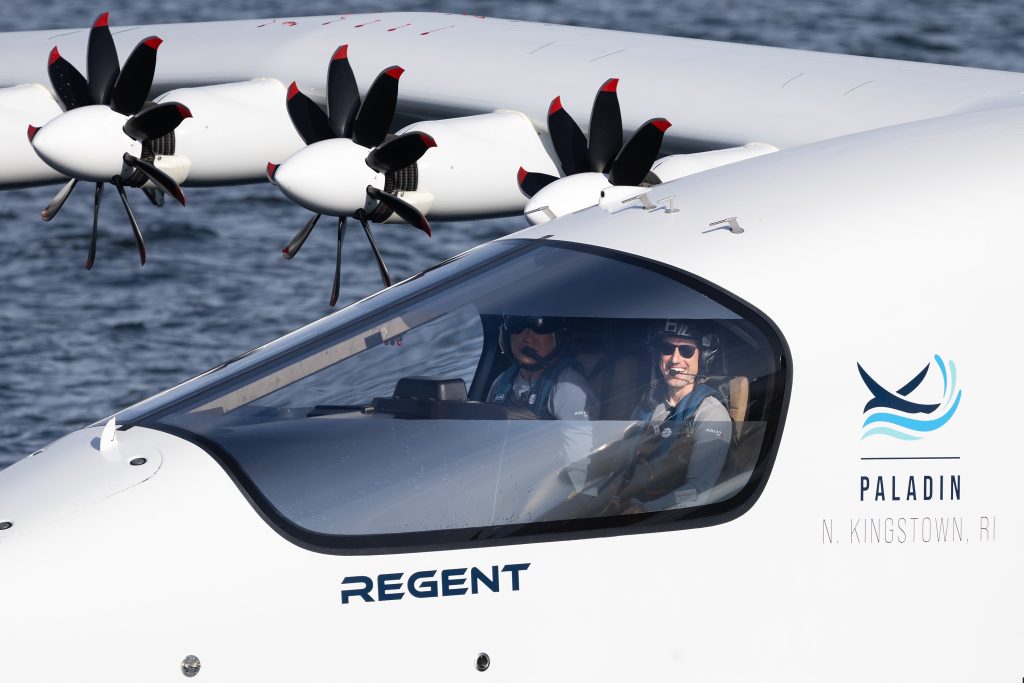
REGENT says the Viceroy is being developed to carry up to 12 passengers and two crew members, with a planned top speed of 180 mph and a range of up to 180 miles. The company says its digital control system will allow certified mariners to operate the vessel using controls similar to those of a boat.
“Completing this flight test validates years of rigorous engineering and operational work and gives us the confidence to move into full-rate production,” said Mike Klinker, co-founder and CTO at REGENT.
“We showed today that flying a Seaglider is every bit as smooth and safe as we designed it to be. I can’t wait to get onboard and to share the experience with others as we make our vision for the future of maritime mobility a reality
The development could eventually have implications beyond conventional passenger transportation. Faster connections between coastal cities could support tourism, hospitality and event-based businesses, including services that use travel experiences as part of their customer offering.
The announcement comes shortly after REGENT disclosed a $240 million Series B funding round intended to support production of its Viceroy and Squire models. The company is also building out a 255,000-square-foot manufacturing facility in Rhode Island.
REGENT has said it has commercial orders spanning six continents. Its first U.S. launch partner is luxury coastal travel operator The Twenty Five, which has ordered up to 60 Viceroy vessels.

