
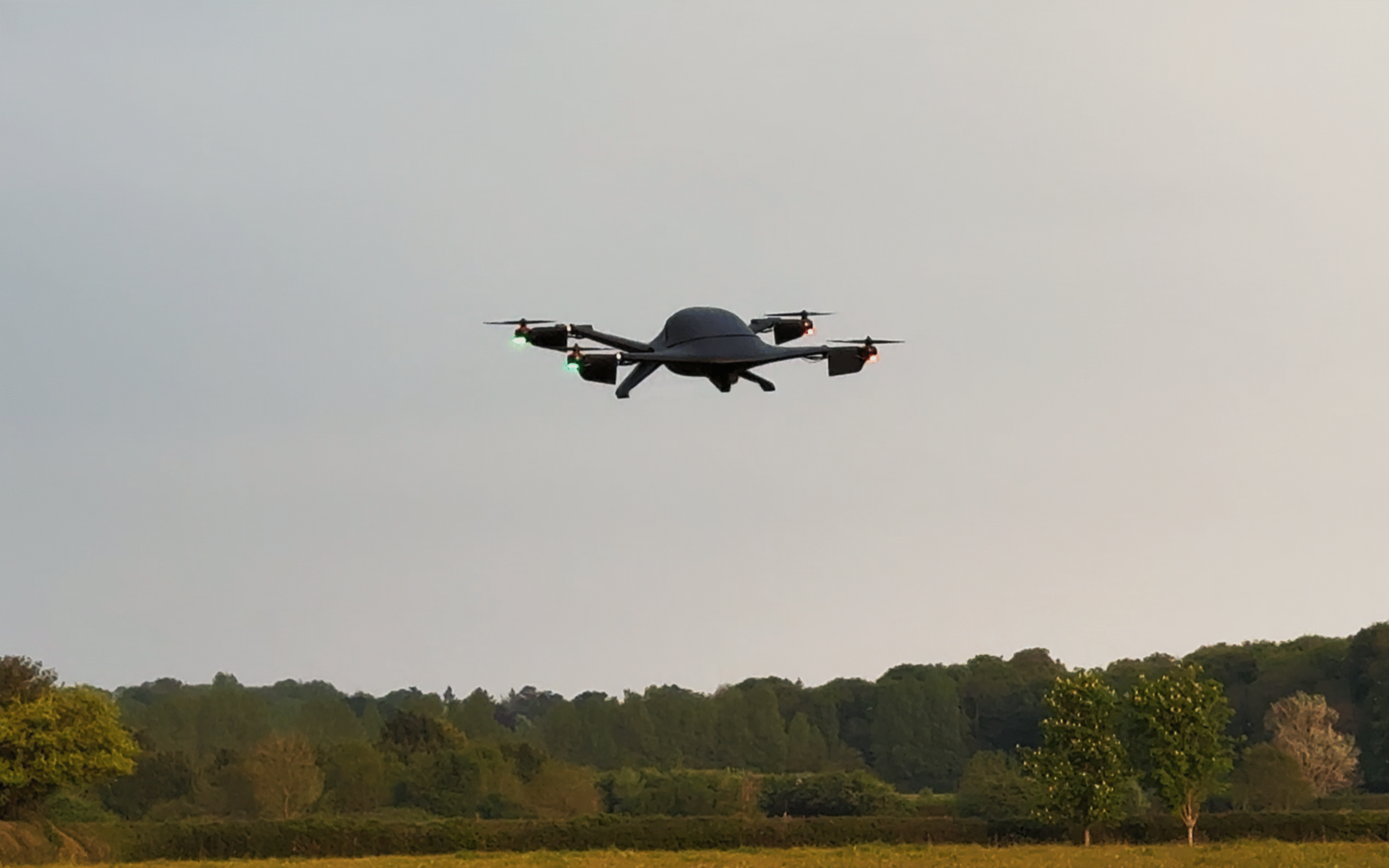
WATCH: AltoVolo to produce full-scale HyperTOL demonstrator after successful testing of Sigma prototype
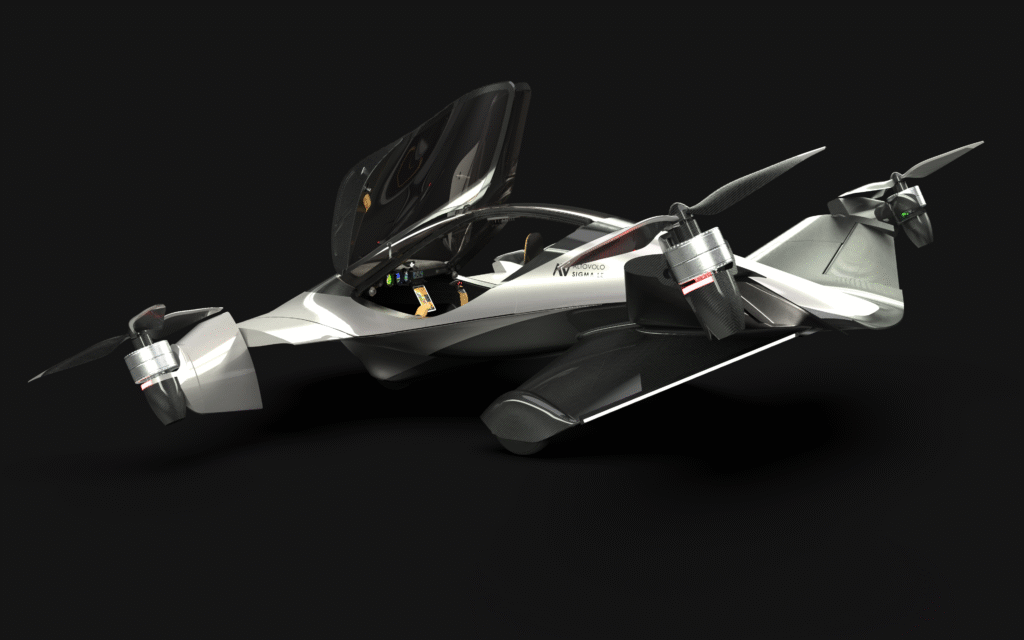
AltoVolo has begun production of the full-scale demonstrator of what it has described as the world’s first HyperTOL (Hybrid Performance Take-Off and Landing) aircraft.
Due for completion at the end of this year, it follows the successful testing of its high performance Sigma prototype. The company also plans to make several key strategic announcements and unveil an upcoming public exhibition in the coming weeks.
AltoVolo is targeting full type certification for the Sigma, where it will be in the commercial aircraft category which allows for the most expansive use cases in both urban and regional environments. Sport Pilot certificate holders will be able to operate the Sigma with just 25 hours of training, but they will be restricted to flying only in fair weather conditions and during day light hours in most cases.
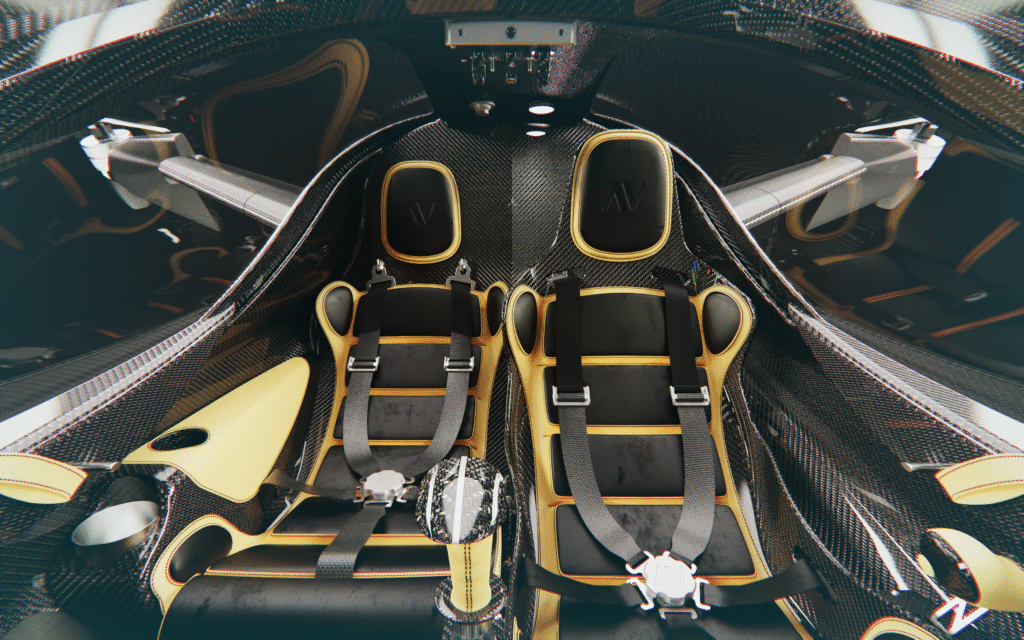
The limitation of the Sport Pilot license, which allows carrying only one passenger, partly informed the decision to configure Sigma as a two-seater aircraft rather than a three-seater. With regulatory VTOL requirements evolving rapidly, especially for smaller aircraft manufacturers, having close ties with certifying bodies in Europe and the US is proving to be invaluable for timely progression towards approvals.
Design Innovations
One of the most noticeable shifts in AltoVolo’s thinking is a move from electric ducted fans (EDFs) to open rotors. The company undertook an extensive program of research and development comparing both open and closed rotor performance.
These studies extended to implementation, certification and commercialisation where it was found closed rotors under achieved when all factors are considered. The additional weight, inertia, complexity and relative fragility of EDFs mean they are less than optimal for an aircraft as versatile as the Sigma, which is built around a fly anywhere, anytime mindset.
The move to open rotors increases hover time by a factor of two, reduces propeller loading, and offers notable weight savings with more desirable tilt transition characteristics. To maximise this advantage the AltoVolo team has developed an efficient, high-speed racing prop concept with a fixed pitch that outperforms any commercial off the shelf propeller, demonstrating our commitment to continuous improvement and superior robust performance.
Progress Towards Production
Having completed the preliminary design review for the Sigma, in which details of the first production aircraft have been locked, the focus is now on detailed engineering and ticking off certification requirements.
Extensive flight testing of a quarter scale aircraft has confirmed performance and control characteristics to a high level. This allows the program to move on with the production of the first full scale Sigma demonstrator. This aircraft will form the basis of the manufacturing readiness review setting the company up to start serial production. The team at AltoVolo is committed to delivering a product that performs at the highest level and fulfils our mission of delivering the luxury of time.
AltoVolo is an aerospace startup founded by design engineer Will Wood, who plans to make flight a part of everyday life by dramatically reducing the cost per passenger mile for private air travel. Wood has previously supported the likes of Aston Martin, Ferrari and Wayve, in conceptualising and engineering innovative transport related products. He also led design for a successful US eVTOL start-up in 2024.
Vehicle Concept:
• 2‑seater hybrid electric VTOL aircraft
Performance:
• Hover Time: 45mins
• Payload: 270kg
• Cruise Speed: 165mph
• Top Speed: 220mph
• Hybrid Range: 500miles
• Electric Only Range: 250miles
• Estimated Noise Level, Take-off: 65–70dB(A) @ 100m • Flight Ceiling: 10,000ft (3,050m)
Weight Dimensions:
• Max Take-off Weight: 980kg
• Length: 4,050mm
• Width: 4,900mm
• Packed Width: 2,250mm
• Total Height: 1,995mm
Safety:
• Ballistic Parachute 50ft deployment
• Thrust Vectoring Stability
• Control System Triple Redundancy

