
Swiss Startup Unveils “World’s First Hydrogen VTOL Jet”
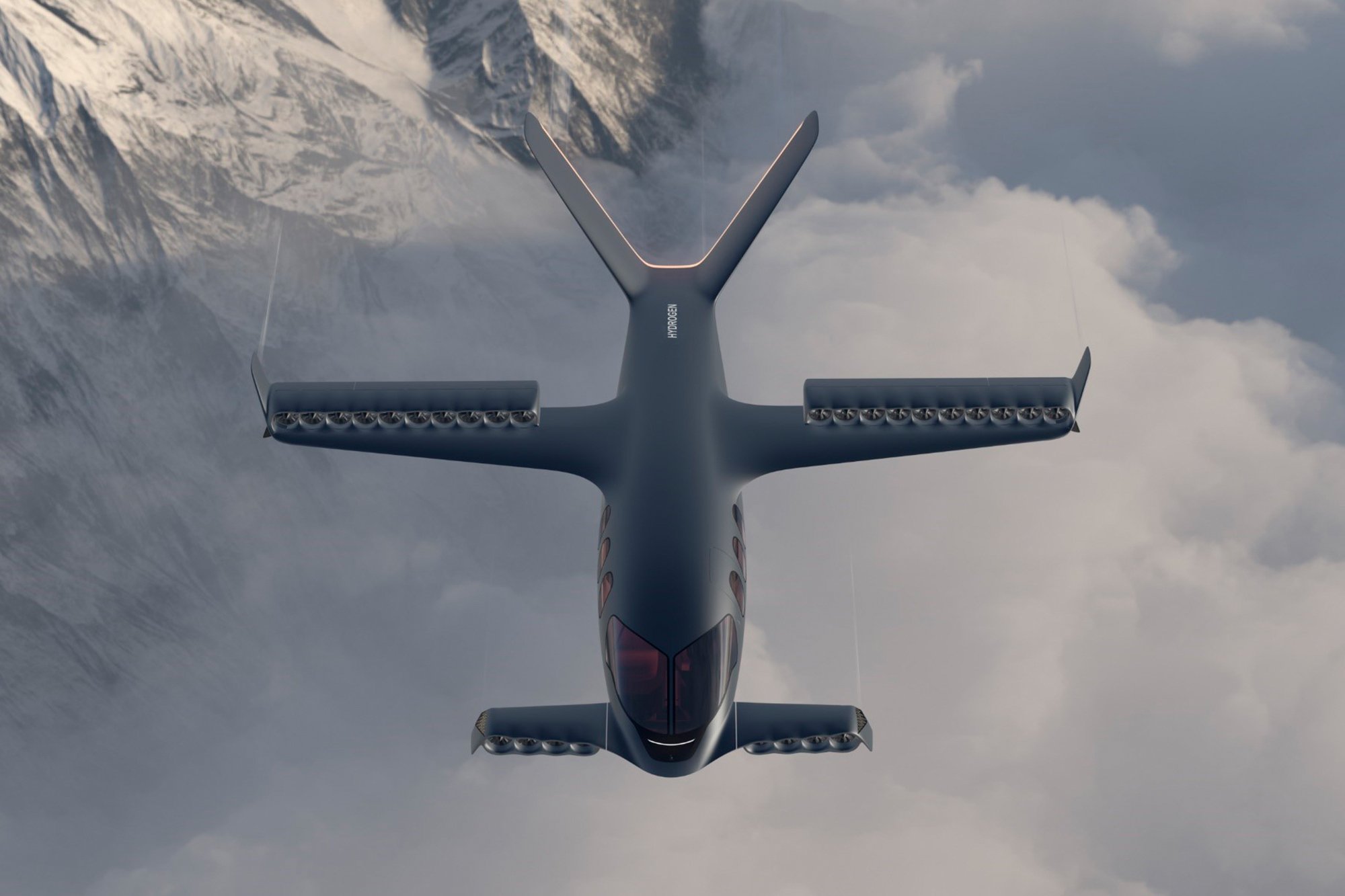
Looking a little similar to a Lilium Jet, Swiss startup, Sirius Aviation, has unveiled what it describes as “the world’s first liquid hydrogen VTOL aircraft” with an ambitious plan to have it in the air by 2025, reports freethink.com.
What makes Sirius different to its rivals is that instead of electricity as the energy source, this jet uses liquid hydrogen allowing for a much longer flight distance. The company claims its aircraft could fly from New York City to Miami without a refuel.
Please Watch Video
The jet’s propulsion system combines this hydrogen with oxygen, pulled in from the outside air, to generate the electricity needed to power it. The only byproduct of this process is water.
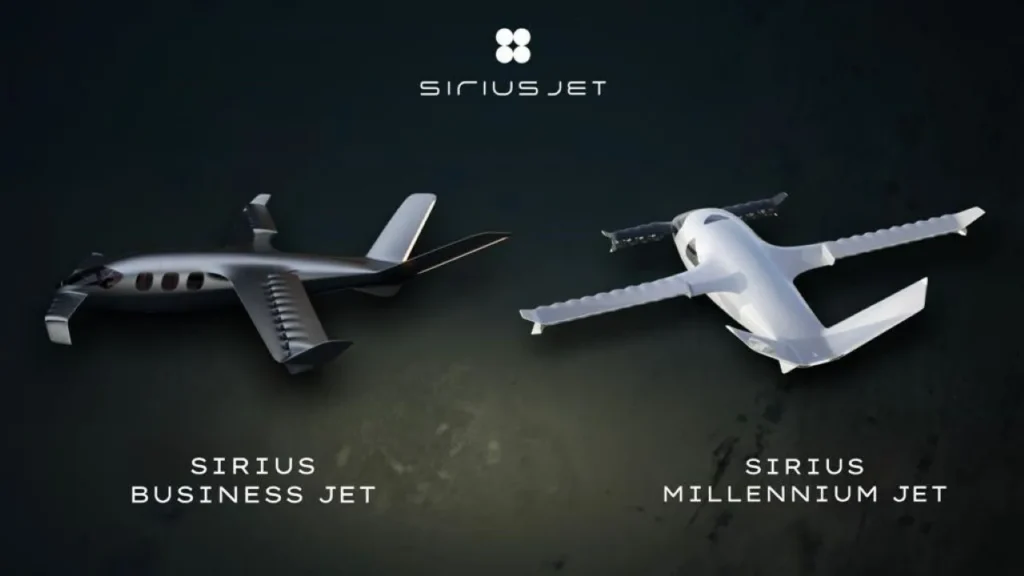
Sirius has unveiled two versions of its hydrogen VTOL: The Sirius Millennium Jet and the Sirius Business Jet. The aircraft has been designed in collaboration with BMW’s Designworks and Sauber Group, an engineering company known for its Formula 1 cars.
The Millennium has room for five passengers and a pilot, and its flight range of 650 miles is more than enough to fly from Washington, DC to Chicago. The Sirius Business Jet, meanwhile, has room for three passengers and a pilot and a range of 1,150 miles, enough for a trip between New York and Miami. Both have a cruise speed of 320 mph. Compare this to Joby Aviation’s eVTOL with a range of 150 miles and a top speed of 200 mph or Archer Midnight’s 100 miles and 150 mph.
While the FAA has already certified one hydrogen plane already as “airworthy” — the Universal Hydrogen’s Dash-800 — as Sirius’ hydrogen VTOL is the first of its kind, there’s no precedent for certification. This means the process could take some time to achieve. For liquid hydrogen is a novel fuel source for aircraft. Most in-development hydrogen planes store the fuel in a gaseous form. The first piloted flight of a craft fuelled by liquid hydrogen only took place last September.
Even so, Sirius has laid out an ambitious timeline for its jets, with the first test flights planned for 2025, followed by certification in 2026 and the launch of commercial services by 2028.
As with any startup, sufficient funding will be the primary obstacle to overcome. Up to now, investment has come internally. Alexey Popov, CEO of Sirius, told Aviation Week, “We have funds, but not enough as the market is hot and we need to move fast.”
For more information
(News Source: https://www.freethink.com)
(Images: Sirius Aviation)

