
VFS Releases Report on Vertical Flight Workforce: “Diversity, Equity & Inclusion is Vital”
The Vertical Flight Society (VFS) has published the results of a ground-breaking study: “”
The 28-page study was conducted for VFS by HYSKY Society, the results of a VFS workforce analysis in January 2020 which indicated that the vertical take-off and landing (VTOL) technology workforce is at a critical juncture.
At the same time that the US Department of Defense has kicked off several multi-billion dollar rotorcraft acquisition efforts under the Future Vertical Lift (FVL) initiative, and traditional aerospace and defense (A&D) companies struggle to fill hundreds of vacancies seeking talented VTOL engineers, the eVTOL revolution also requires thousands of engineers.
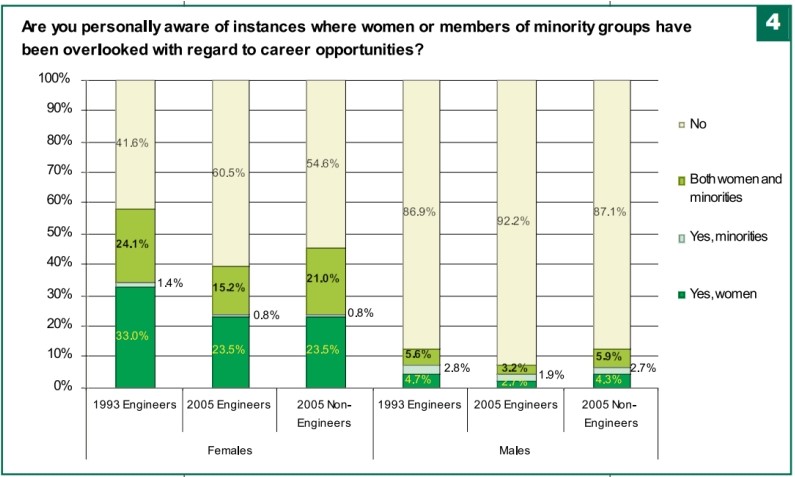
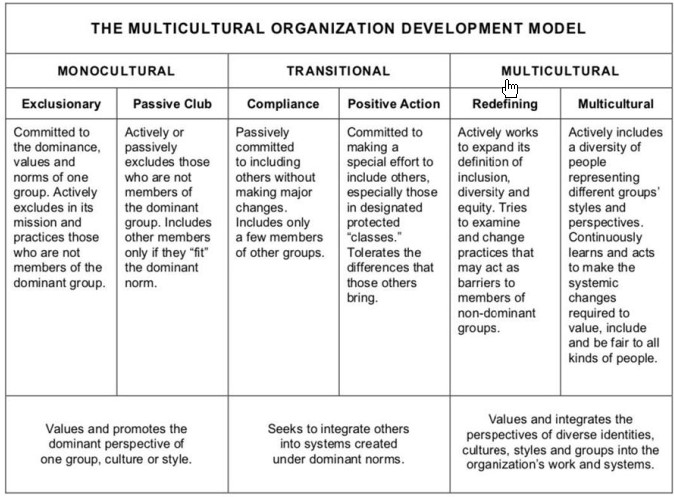
The most expedient way to achieve the needed increase in VTOL talent is by transforming the current workforce through purposeful diversity, equity and inclusion (DEI) initiatives.
VFS executive director Mike Hirschberg said: “This report is the first time that the aerospace and defense sector has officially discussed intersectionality, how different experiences overlap, and we hope that this will help to focus attention on how the VTOL industry can improve its ability to attract and retain top talent.”
VFS estimates that each clean-sheet civil VTOL aircraft development requires around $1 billion, a decade of development, and 1,000 employees to get to certification. While several eVTOL companies have been working for several years, many additional developments are also underway.
Military rotorcraft developments typically require significantly more time, money and employees. VFS forecasts 10,000 additional engineers over and above the current workforce level are needed in the next decade to support planned military and civil rotorcraft developments, as well the burgeoning eVTOL advanced air mobility (AAM) market.
Key findings from the report include:
1. Significant additional funding for academia is needed to train enough highly skilled engineers to meet industry demands.
2. Training new engineers is not enough — they must also be attracted and retained.
3. The most impactful metric to predict employee retention is whether or not employees feel valued and appreciated at work. An employee’s perceived value is more important than their salary.
4. It costs a company about $1M to replace one highly skilled engineer, so high attrition can be detrimental.
5. The legacy Aerospace and Defense (A&D) industry has twice the attrition rates than the national average. The advanced air mobility (AAM) sector has four times the attrition rates of the national average. Workplace ostracism is likely a major cause.
6. Workplace ostracism is the number one predictor of attrition rates. If it can be predicted, it can be mitigated.
7. Successful programmes exist to mitigate workforce ostracism.
8. Workforce ostracism could result in a threat to national security.
9. A&D companies that have equitable representation at the highest level will be the most competitive and most likely to succeed in the coming years. Conversely, companies without equitable representation at the highest levels will likely atrophy and die.
10. Examining the challenges of the future vertical workforce is not about being “woke,” but about collecting and analyzing data to understand what causes someone to be attracted to a company, feel valued, and want to stay.
HYSKY CEO Danielle McLean said: “The greatest threat to the A&D industry is the lack of DEI in the workforce, especially in executive and leadership positions. Lack of diversity leads to underrepresented groups experiencing workplace ostracism, which is the most harmful type of workplace mistreatment and most detrimental to a company’s bottom line. The good news is that workforce ostracism is predictable, measurable and preventable, so addressing DEI challenges aggressively is key to maintaining a strong A&D industry.”

