
NASA’s Solid-State Battery Research Exceeds Initial Goals
NASA researchers at Glenn Research Center in Cleveland are developing an innovative battery pack that is lighter, safer, and performs better than batteries commonly used in vehicles and large electronics today.
The work of John Gould and Diana Fitzgerald of the Aeronautics Research Mission Directorate is to investigate the use of solid-state batteries for aviation applications such as electric propelled aircraft and advanced air mobility (AAM).
Unlike industry-standard lithium-ion batteries, solid-state batteries do not contain liquids, which can cause overheating, fire, and loss of charge over time, and they can hold more energy and perform better in stressful environments than standard lithium-ion batteries.
NASA’s solid-state architecture batteries for enhanced rechargeability and safety (SABERS) has collaborated with several partners, including Georgia Tech, Argonne National Laboratory, and Pacific Northwest National Laboratory.

NASA SABERS’s principal investigator Rocco Viggiano said: “Not only does this design eliminate 30 to 40 percent of the battery’s weight, but it also allows us to double or even triple the energy it can store, far exceeding the capabilities of lithium-ion batteries that are considered to be the state of the art.”
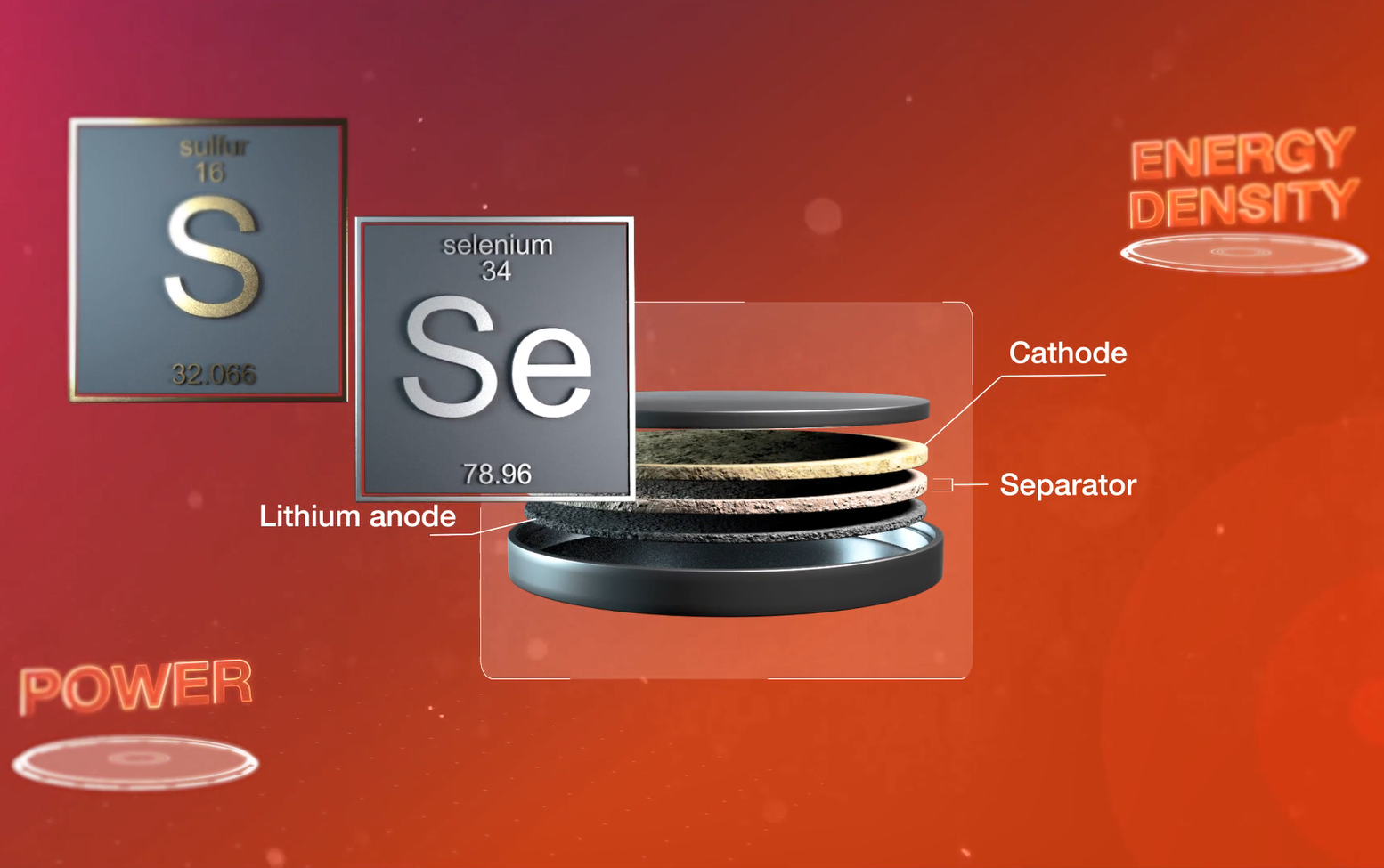
A battery must discharge energy at a rate sufficient to power large electronics, such as an electric aircraft or unmanned aerial vehicle. To that end, SABERS has experimented with innovative new materials yet to be used in batteries, which have produced significant progress in power discharge.
During the past year, the team successfully increased their battery’s discharge rate by a factor of 10, and then by another factor of 5. Instead of housing each individual battery cell inside its own steel casing as liquid batteries do, all the cells in the battery can be stacked vertically inside one casing.
SABERS has demonstrated solid-state batteries that can power objects at 500 watt-hours per kilogram, double that of an electric car, and unlike liquid batteries, solid-state batteries do not catch fire when they malfunction and can still operate when damaged.
SABERS researchers have tested their battery under different pressures and temperatures, and have found it can operate in temperatures nearly twice as hot as lithium-ion batteries, without as much cooling technology.
Viggiano continued: “Georgia Tech has a big focus on micromechanics of how the cell changes during operation, which helped us to look at the pressure inside the battery, and which also led us to understand how to manufacture a cell like this.”
SABERS’s work has piqued the interest of the Subsonic Single Aft Engine activity, which is working toward the development of an advanced hybrid-electric concept aircraft.

