
Skyports Wins Nine Japanese AAM Subsidy Projects Across Six Prefectures
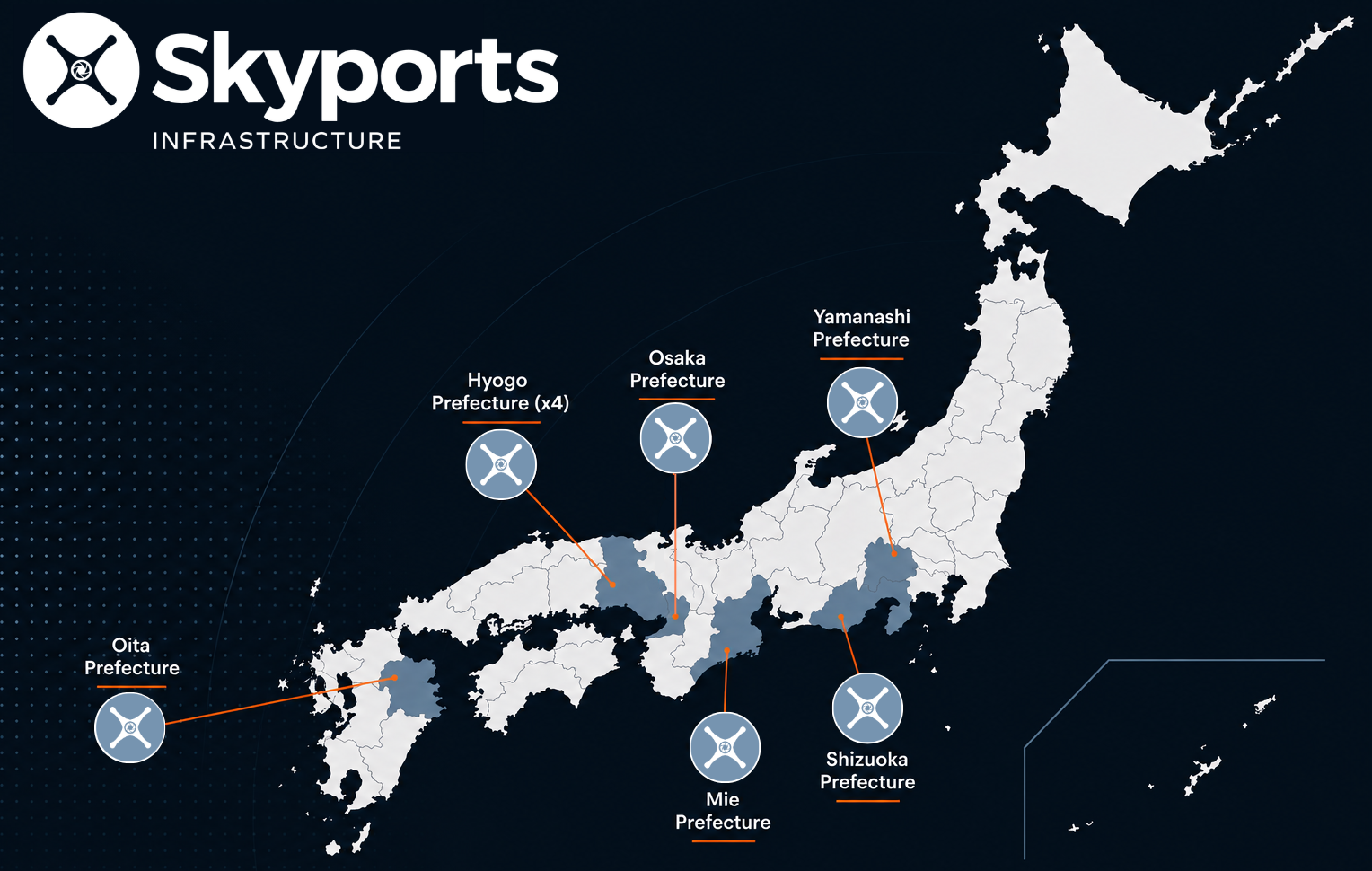
Skyports Infrastructure has secured nine Advanced Air Mobility (AAM) subsidy projects in Japan during 2026, with the projects covering six prefectures and focusing on vertiport planning, network development and commercial feasibility.
The company said it achieved a 100% application success rate across the subsidy projects it participated in this year. The work is being carried out with Japanese companies including Kanematsu Corporation, Mitsui Fudosan, Kyushu Railway Company and Suzuyo Corporation.
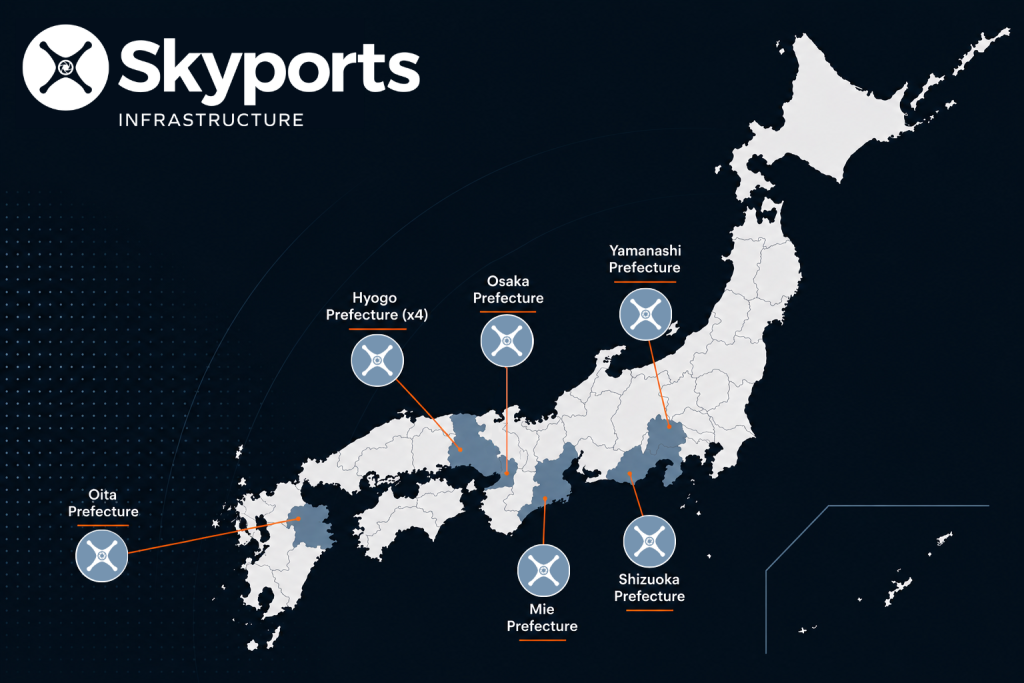
In Osaka, Skyports is supporting Kanematsu on the basic design and business case for a potential maintenance, repair and overhaul (MRO) facility in Osaka City. The project also involves identifying and evaluating potential vertiport locations across Osaka Prefecture.
Four separate projects are taking place in Hyogo Prefecture, including initiatives in Sumoto on Awaji Island, Kinosaki Onsen, the Kobe Waterfront area and Arima Onsen. The work covers vertiport feasibility studies, preliminary designs and operational concepts.
In Oita Prefecture, a project led by Kyushu Railway Company is examining the potential implementation of AAM. Skyports is conducting commercial feasibility work and assessing possible locations for future vertiports.
In Yamanashi, the company is undertaking preliminary surveys and planning for a potential vertiport near a Linear Chuo Shinkansen station. A separate project in Shizuoka, led by Suzuyo Corporation, involves site surveys and verification work as part of a business feasibility study for future vertiports in the Shizuoka City area.
In Mie Prefecture, Skyports is working with Mitsui Fudosan and Ise-Shima Resort Management to examine a potential air taxi network spanning the Chubu and Kansai regions, centered on Ise-Shima. The work includes identifying potential vertiport locations and considering how they could connect with existing transport networks.
Skyports said the projects will cover a range of potential applications, including regional connectivity and tourism, as local authorities and industry partners assess how AAM could be incorporated into Japan’s wider transportation network.

